A New Year Cleaning Checklist for Toronto & Vancouver

On this page
Start your new year cleaning checklist by packing away the holidays, then reset one room at a time. Finish with a small weekly routine rather than a January project that takes over your home.
Put the holidays away first
Pack away the seasonal layer before starting your room-by-room clean. Choose one clear sorting surface and bring out the boxes you already use. Separate decorations by where they belong next year, rather than putting everything into whichever container has room.

Label each box with its contents and destination: table decorations, living room ornaments or guest linens. Put a short contents list inside the lid if several categories share a box. Set aside decorations you no longer want now, instead of packing them for another round of decisions next January.
Take the ornaments off the tree before tackling the floor beneath it. For an artificial tree, keep its sections and stand together, following its storage instructions. Once the tree is out of its spot, gather loose needles with a brush and dustpan, then clean the exposed floor and return the furniture.
Wash holiday tablecloths, napkins and guest linens according to their care labels. Fold them into sets after drying and label any unfamiliar sizes. Wash serving dishes and tableware, dry them and return them to their usual shelves. Keep occasional pieces together so you can find them without unpacking several cupboards.
Before closing the boxes, write down anything you want to remember, such as which tablecloth fits the extended table. Return the packed boxes to storage before opening up the next room.
Use the newly cleared surface to check any remaining holiday items against your list. Gather borrowed serving pieces for return, and put everyday table linens back where you use them. Keep empty boxes only if you have another purpose for them.
The kitchen and fridge
Start with the fridge, then work through the pantry and small appliances. Keep the counter clear enough to use as a staging area, and finish one shelf or cupboard before emptying another. Have a cloth, a dry towel and a list for items you need to replace.
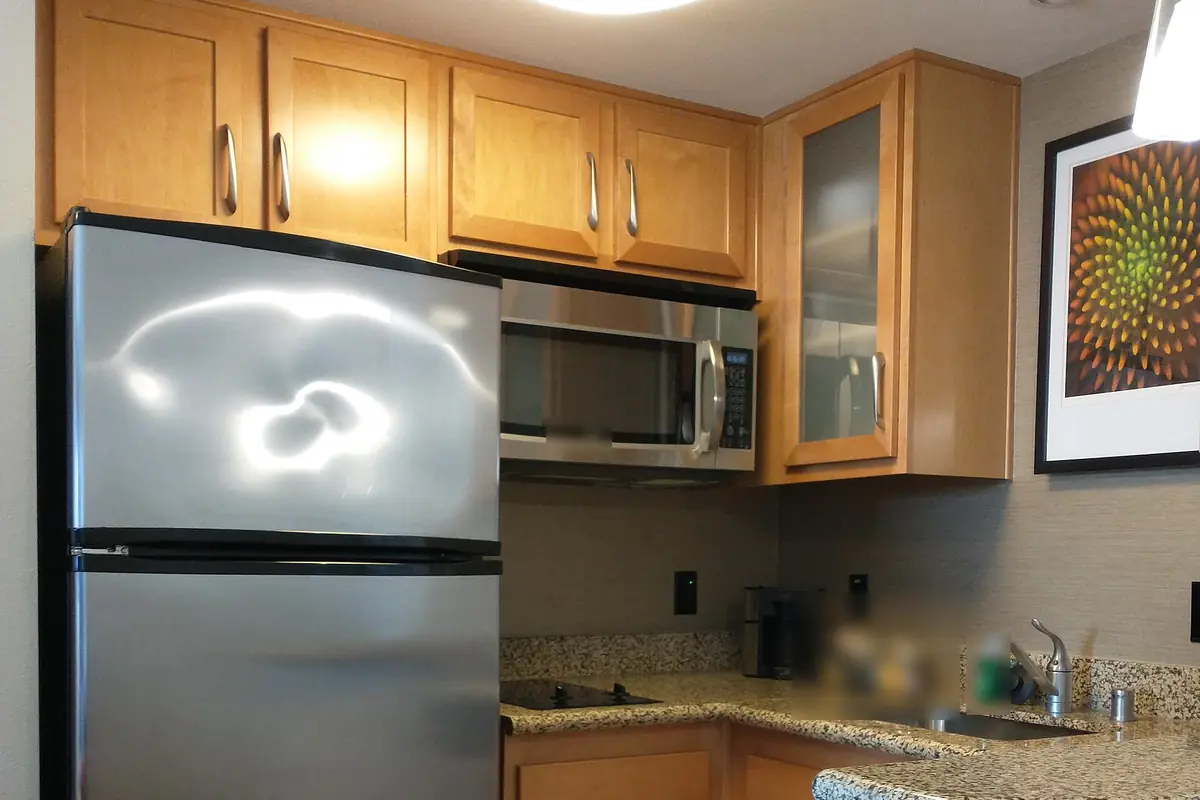
- Review a fridge shelf. Remove empty packaging and identify the items you intend to keep. Group similar containers so you can see what you have without searching behind unrelated jars.
- Wipe and return. Wipe the exposed shelf and dry it, following the fridge manufacturer’s care instructions. Work through the drawers and door compartments in the same way, returning each group before starting the next.
- Finish the outside. Wipe handles, door edges and the exterior using the finish’s care directions. Include the small ledges where marks remain visible after the broad door panels are done.
- Sort the pantry. Bring packets forward, group duplicates and put open packages where you can see them. Make a use-first list for meal planning rather than buying another set of ingredients.
- Reset small appliances. Follow each appliance’s cleaning instructions for its removable parts and exterior. Clear the counter underneath, wipe it and return only the appliances you want within daily reach.
Keep the pantry edit practical. A shelf grouped into breakfast, baking and meal ingredients can be easier to maintain than an arrangement that depends on identical jars. Leave package information with anything you transfer. Give awkward packets a designated basket rather than leaving them scattered across several shelves behind taller containers.
Finish by washing the cloths and putting the tools away. Add missing staples to your shopping list, then check that list against the newly sorted shelves. Leave a little open counter space for preparing meals; the kitchen reset should support what you do there.
Bedrooms and closets
Start with one bedroom and finish it before opening another closet. Put clothing that belongs elsewhere into a basket, gather the laundry and clear the bed for sorting. Keep the edit separate from cleaning so you are not wiping shelves around piles of undecided clothes.

Work through one clothing category at a time: knitwear, trousers, then hanging pieces. Return what you wear and want to keep, and give items needing a decision their own small pile. Note repairs on a list rather than returning those pieces to the back of a drawer unchanged.
For the pieces leaving your closet, Metro Vancouver’s textile donation and recycling advice says donation locations look for items in good to excellent condition and may limit what they accept, so check online or call ahead. Keep the destination with the bag, so the clothing edit has a clear next step.
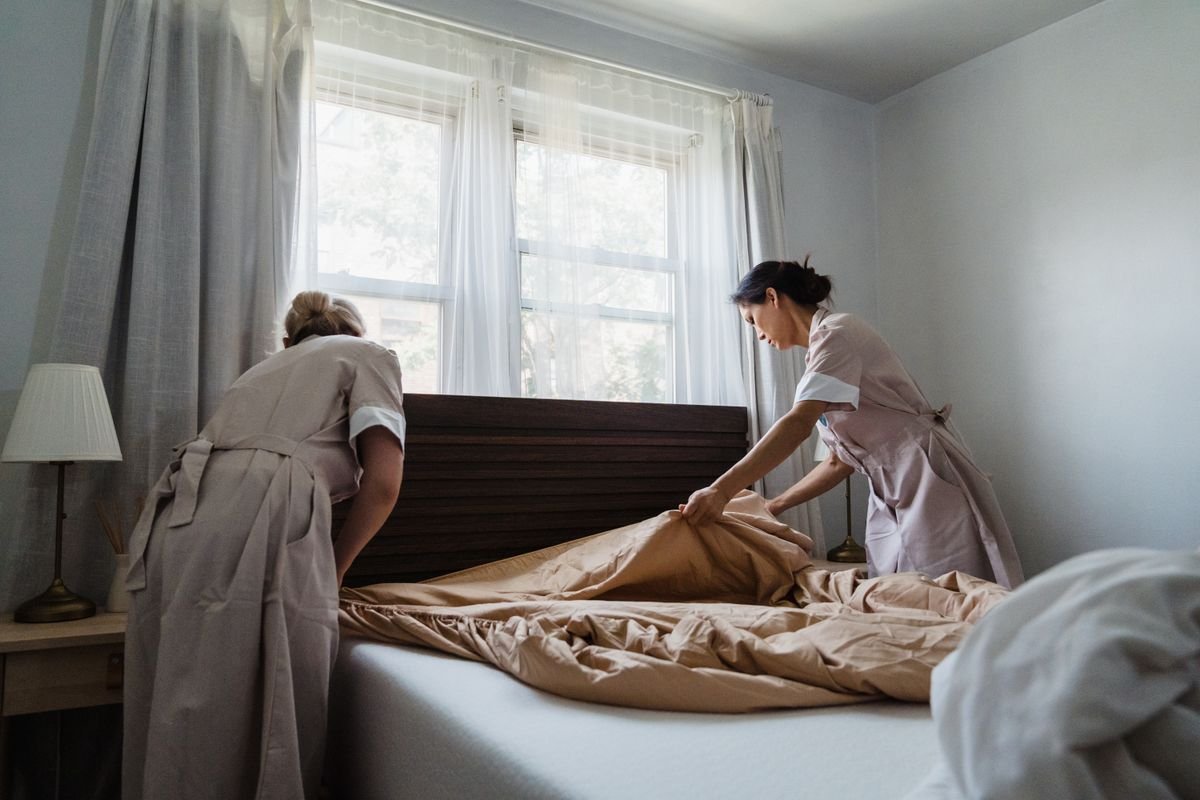
Strip the bed and wash bedding according to its care labels. While it is bare, clear the bedside tables and wipe their surfaces, including the edges and drawer pulls. Return the lamp, current book and the things you actually use at bedtime, rather than rebuilding the whole pile.
Pull out the stored items under the bed and decide which belong there. Clean the exposed floor with the tool suited to its finish, then wipe the storage containers before returning them. Label the end you can see without pulling everything out. Put complete bedding sets together so you can retrieve the pieces without searching through several different containers.
Make the bed once the linens are ready and finish the remaining floor. If you want to develop this room’s routine further, the bedroom cleaning and upkeep steps offer a separate place to focus. End by putting the sorting basket’s contents into their proper rooms, not into another bedroom’s doorway.
Living room, bathroom and the entry
Give these spaces separate passes, even if they are next to each other. Finish the living room’s surfaces and floor before starting the bathroom cabinet. That keeps personal-care items, paperwork and winter accessories from becoming one mixed sorting project.
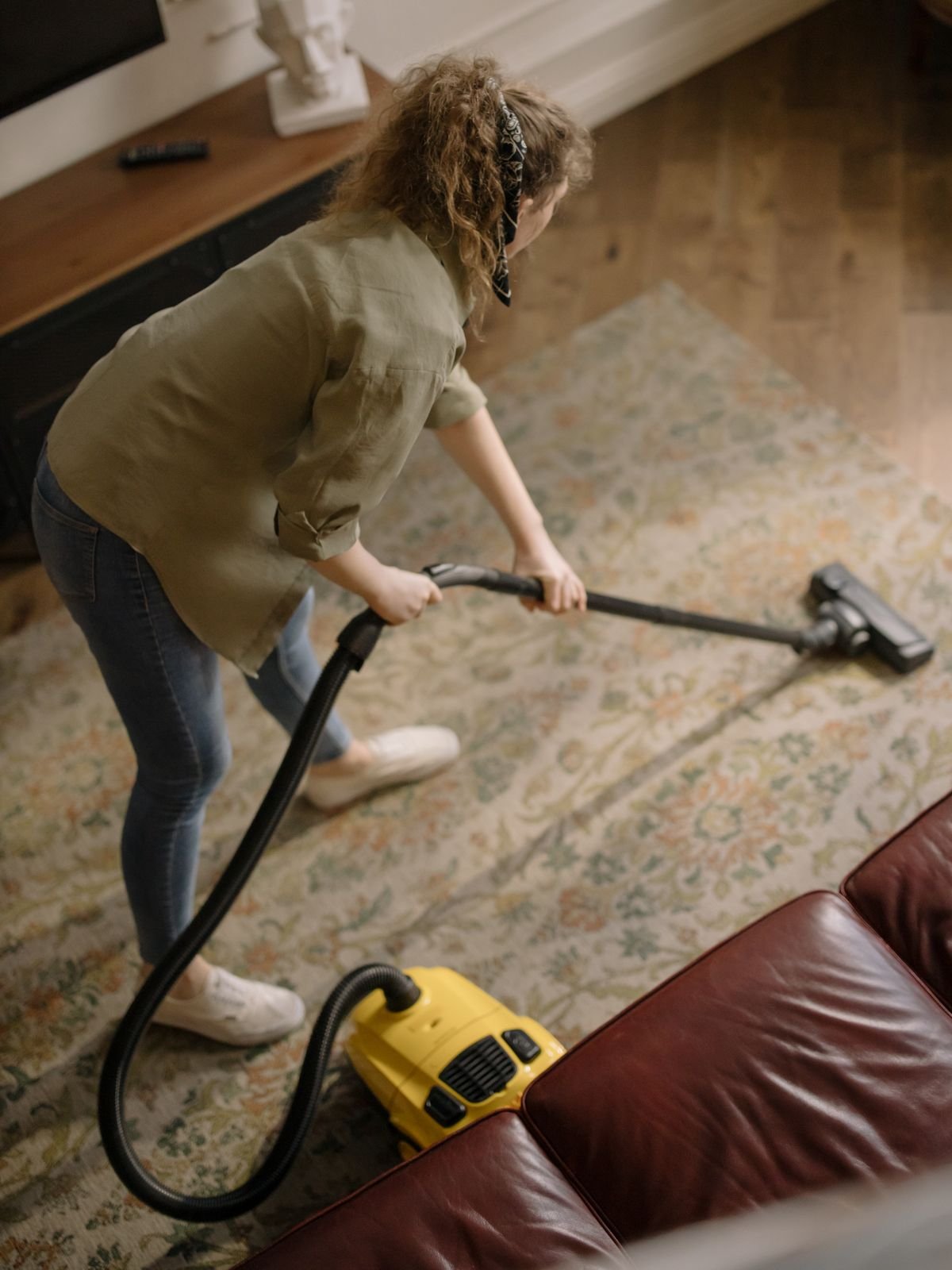
In the living room, collect dishes, books and belongings that have wandered in. Remove loose cushions and check the sofa’s care instructions before cleaning the upholstery. Use the appropriate vacuum attachment for seams and gaps, then return the cushions and arrange throws. Wipe side tables and shelves before cleaning the floor around the furniture.
Sort the bathroom cabinet one shelf at a time. Group daily-use items separately from spare toiletries and occasional items. Wipe the empty shelf and dry it before putting things back. Keep a written list of products that need a disposal decision, and check the relevant local guidance rather than guessing where they belong.
Clear the bathroom counter, clean the basin and wipe the taps and mirror with methods suited to their finishes. Work through the bath or shower and toilet, then finish the floor. Return only the items you want on the counter, with spare supplies in their assigned space.
At the entry, pair gloves, sort hats and choose which footwear belongs by the door for January. Put extra bags elsewhere, empty the catch-all tray and clean the mat and exposed floor according to their care instructions.
Keep the reset going with a weekly checklist:
- Return stray belongings and clear the living room tables.
- Clean bathroom fixtures and replace used towels.
- Review fridge contents before making the shopping list.
- Put clothing away and clean bedroom floors.
- Sort entry accessories and clean the floor.
Choose a regular day to review the list. Mark completed rooms, and carry forward a specific unfinished task rather than restarting the whole checklist.
Small condos and busy houses
Let your actual storage space determine how much you keep. Homes in Corktown include older row houses and semis alongside newer townhouses and mid-rise condos. That mix is a useful reminder to plan around your layout, not a storage system designed for a different kind of home.
If your condo has a locker, measure the available space before assigning holiday boxes to it. Check the building’s storage rules, then make a simple inventory of what you put there. Keep the list with your household notes, and label the box ends that face outward. Avoid using the locker as an undecided-items pile: make the keep-or-pass-on decision upstairs first.
A basement needs a different boundary. In Trinity Bellwoods homes, a basement may also serve as a guest room or gym beneath a narrow main floor and upstairs bedrooms. Assign storage to a defined section rather than letting seasonal boxes spread into the room’s other use.
For either layout, write the destination before moving a box: locker shelf, bedroom cupboard or basement storage section. Keep frequently used items in their everyday rooms and seasonal items together. Update your inventory whenever you change a box’s contents.
When something leaves the home, choose a destination before setting it aside. The City of Toronto’s waste reduction suggestions include repurposing old clothes as rags and cookie tins as storage. Use that idea selectively: keep a tin because you have something to store in it, not because it postpones another decision.
When to bring in help
If sorting is finished but cleaning is still on your list, Cleaning Hive’s one-time cleaning service can be a useful January starting point. We follow our standard checklist, room by room.
Before arranging a visit, check the areas we clean and note which rooms you have finished sorting and which need attention. Afterwards, use your weekly checklist as the maintenance step: return belongings, review the fridge and give each room its regular cleaning pass. Keep that list focused on the tasks your household actually needs, rather than repeating the full January project. To talk through your January clean, call us at (647) 558-0932 any time, 24/7.
Frequently asked questions
How can I include children in a January room reset?
Give them choices. Ask them to choose which books belong on their shelf or which drawings to keep in a folder, then handle the cleaning yourself. A clearly defined sorting task keeps the decisions smaller than asking them to organise an entire room.
Should I buy matching containers before sorting?
Sort first. Test a spare basket or shoebox in the drawer to see whether you prefer broad categories or smaller compartments. Use temporary labels while you try the arrangement, then choose permanent containers once you know which divisions you actually use.
How do I reset a desk used for working from home?
Start with paperwork. Separate current work from reference material, give each a folder, and clear personal items off the writing area. Keep a small tray for papers awaiting a decision rather than mixing them back into completed work.
Can I spread the January reset across several weeks?
Yes. Give each room a separate date and write down the exact stopping point, such as one cupboard or one bedside table. Leave the remaining tasks on your list rather than emptying spaces you cannot finish that day.