6 Steps to a Cleaner Room: How to Get Organized and Clean

On this page
A room does not get clean by scrubbing harder. It gets clean by following a system: clear, sort, dust, wipe, vacuum, and put things back deliberately. In that order, a chaotic room becomes organized and spotless in a single session, because you are never cleaning around clutter and never re-dusting a surface you already finished. These six steps work for any room in the house, from a kid’s bedroom to a home office.
Step 1: Clear the room
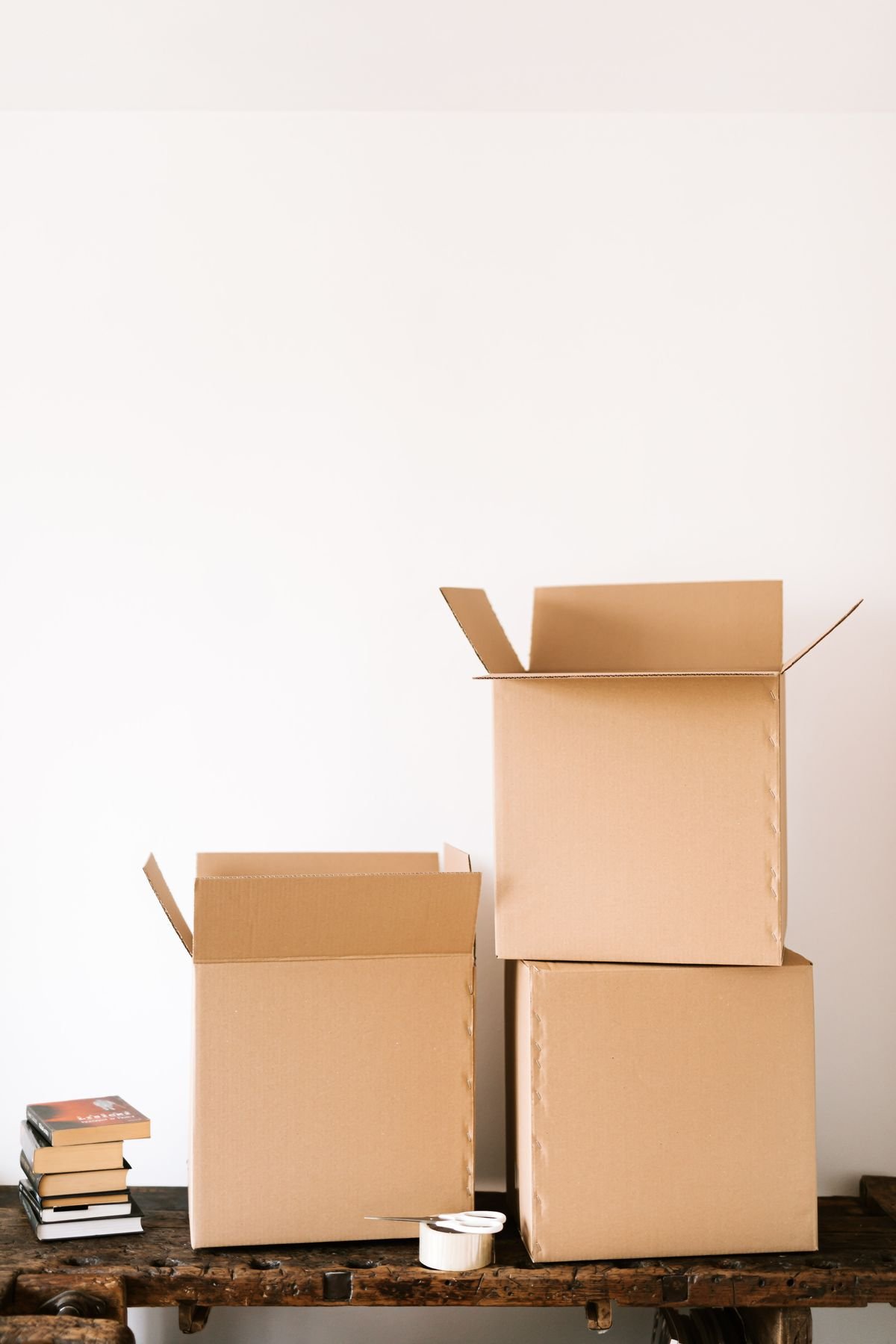
Start by removing everything that does not belong: dishes, laundry, papers, gym bags, empty cups. Put those items in their proper rooms now; the goal is a room stripped back to furniture and its legitimate contents. If a room is deeply cluttered, work in sections: clear the bed and floor first, then tackle surfaces one at a time. You cannot clean a surface you cannot see.
Step 2: Sort and declutter
With the room cleared, sort what remains into three piles: keep, donate, trash. Be honest about the keep pile: the rule of thumb is that if you have not used it in a year, it does not live in this room. Removing unused items is what makes the room stay clean: every object you remove is one less dust collector and one less surface to manage. For seasonal or sentimental items, a labelled storage bin in the closet beats a pile on the floor.
Step 3: Dust top to bottom
Now the actual cleaning begins, from the top down. Dust ceiling corners and cobwebs, ceiling fans and light fixtures, then shelves and picture frames, then furniture surfaces, baseboards and window sills. Work left to right around the room so no surface gets skipped or re-dusted. Use a microfiber cloth or extendable duster, and let settled dust fall to the floor: it will be removed in Step 5. For allergy sufferers this step matters most, since dust mites and dander accumulate exactly where high dusting reaches.
Step 4: Wipe surfaces
Follow the dust with a damp microfiber cloth: furniture tops, desks, nightstands, doors, switch plates, window tracks and handles. In bedrooms, wipe down the bed frame and headboard; in offices, the desk edges and keyboard tray. A lightly damp cloth picks up what dry dusting leaves behind, and remember that dust control is one of the most effective ways to improve the air you breathe at home, as the EPA’s indoor air quality guidance explains.
Step 5: Vacuum and mop the floor
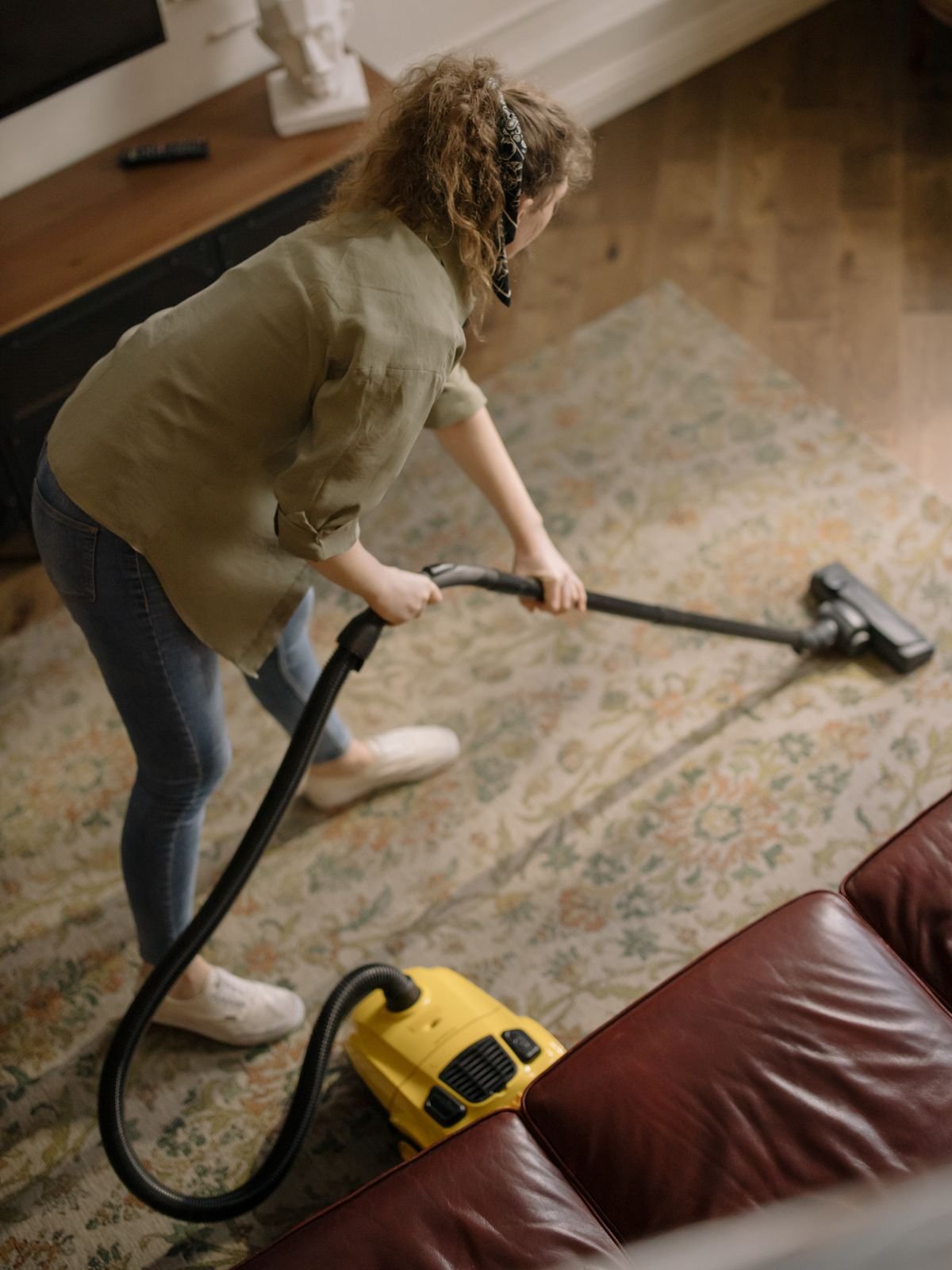
Vacuum the entire floor, moving furniture you can move to reach underneath. The dust under a bed is usually the room’s single biggest allergen reservoir, a point reinforced by the National Institute of Environmental Health Sciences’ research on indoor exposures. Use a crevice tool along baseboards and under radiators or registers. If the floor is hard surface, follow with a damp mop; if carpet, consider a final slow pass with a HEPA-filter vacuum to capture the finest particles.
Step 6: Put things back deliberately
The final step is where organization happens. Return the keep pile to the room with intention: frequently used items at hand height, like items together, and surfaces kept mostly clear. Make the bed last so the room finishes looking finished. A deliberate placement system (a tray for keys and wallet, a basket for chargers, a hamper for laundry) is what makes the room stay the way you left it.
Room reset at a glance
| Step | Action | Time for a bedroom |
|---|---|---|
| 1. Clear | Remove everything that does not belong | 10 minutes |
| 2. Sort | Keep, donate, trash | 15 minutes |
| 3. Dust | Top to bottom, left to right | 10 minutes |
| 4. Wipe | Damp cloth on all surfaces | 10 minutes |
| 5. Floors | Vacuum, then mop or HEPA pass | 15 minutes |
| 6. Return | Deliberate placement, make the bed | 10 minutes |
Once the room is reset, maintain it with a short daily tidy and a weekly top-to-bottom pass. When whole-home resets feel overwhelming, a one-time cleaning can handle the deep work while you organize, and a regular home cleaning plan keeps every room at this standard between resets. Cleaning Hive serves Toronto and the GTA: book online or check our FAQ for room-by-room cleaning tips.
Room cleaning FAQs
How long does it take to clean and organize one room properly? A typical bedroom takes about an hour with this six-step system: ten minutes clearing, fifteen sorting, then roughly forty minutes of actual cleaning. Deeply cluttered rooms take longer for steps one and two, which is why decluttering is the step people skip and later regret.
Should I dust or vacuum first? Dust first, vacuum last. Dusting knocks particles onto the floor where vacuuming collects them; vacuuming first guarantees you will re-dust everything you just finished. The only exception is a quick vacuum of obvious crumbs before dusting, to keep the duster clean.
How do I keep a room from getting messy again? Give everything a home, keep surfaces mostly clear, and run a ten-minute daily reset. Rooms become messy when items have no designated place or when clutter is allowed to accumulate for more than a day: both are prevented by the placement system in Step 6.
Do I need special products to clean a bedroom? No. A microfiber cloth, an all-purpose cleaner, glass cleaner and a vacuum with a crevice tool cover almost everything. Avoid heavy chemical sprays for routine dusting: a damp cloth removes dust without adding residue to the air.
Topics