How to Clean Your Bedroom: 5 Simple, Effective Tips

On this page
Your bedroom should be the easiest room in the house to keep clean: no grease, no soap scum, just dust, laundry and clutter. The catch is that those three things build up quietly, and a messy bedroom makes it harder to relax and sleep. This guide walks you through the five habits that keep a bedroom genuinely clean: daily tidying, weekly dusting and vacuuming, regular bedding changes, organized storage and a twice-a-year deep reset.
1. Declutter surfaces daily
Nightstands, dressers and the foot of the bed turn into catch-alls for glasses, chargers, mail and clothes within days. Spend five minutes each evening putting things back where they belong: it is the single highest-impact habit for a clean bedroom. Clear surfaces are also easier to dust, which matters because dust mites feed on the skin cells and dust that collect in bedrooms. The National Institute of Environmental Health Sciences lists dust mites among the indoor allergens most likely to trigger allergic reactions, and bedrooms are where you spend the most hours.
For clothes, keep it simple: a laundry hamper with a lid, a hook for worn-again items, and a drawer for accessories. If everything has a home, tidying takes minutes instead of weekends.
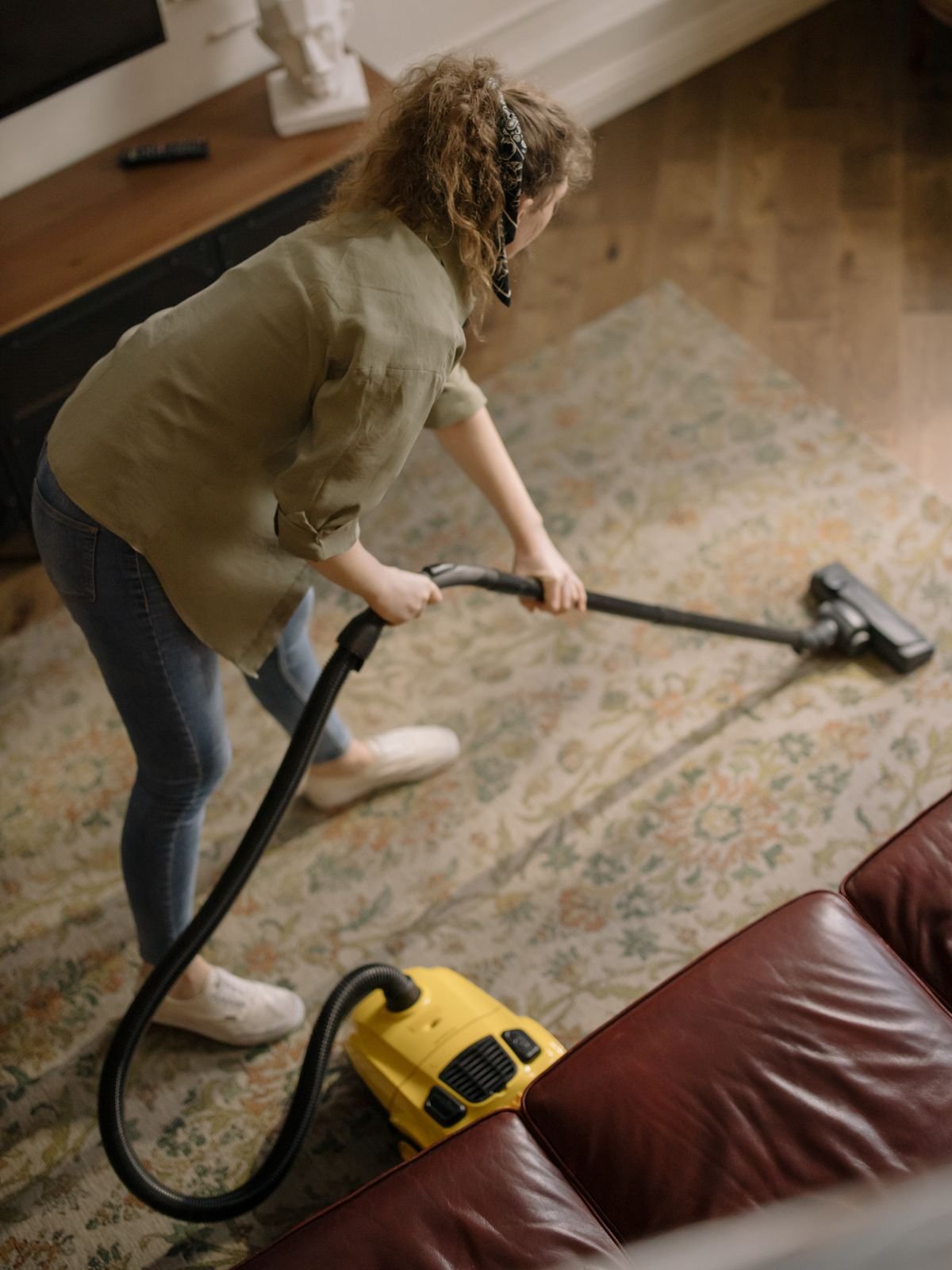
2. Dust and vacuum weekly
Dust settles on every flat surface, and in a bedroom it also ends up in your bedding and your lungs overnight. A weekly routine keeps it manageable:
- Dust from top to bottom (ceiling fan, light fixtures, shelves, then furniture) so falling dust is picked up last
- Use a damp microfiber cloth; it traps dust instead of flinging it into the air
- Vacuum carpets and rugs, and don’t skip under the bed and along baseboards, where dust bunnies collect
- If you have allergies, vacuum with a HEPA-filter machine to avoid recirculating fine particles: the EPA recommends it as part of better indoor air quality
3. Wash bedding every one to two weeks
Sweat, skin oils and dust mites accumulate in sheets faster than most people realize, which is why fresh bedding is a cornerstone of both hygiene and better sleep. Wash sheets and pillowcases every one to two weeks in warm water, and clean pillows and the duvet or comforter every few months following their care labels. Keeping a second set of sheets makes the swap a two-minute job instead of a laundry-day project.
While you are at it, air the room out: open the window for a few minutes each morning. Fresh airflow lowers humidity and keeps the room from feeling stuffy, and the National Heart, Lung, and Blood Institute notes that a comfortable, quiet sleep environment supports better sleep quality.
4. Organize the closet and drawers
An overflowing closet leaks into the rest of the room. A few organizing habits keep it from happening:
- Sort clothes by type and colour so everything is visible and easy to put away
- Store out-of-season items in labelled bins or vacuum bags on high shelves
- Use drawer dividers for small items: socks and undergarments are the first things to explode into chaos
- Adopt a one-in-one-out rule: when something new comes home, something old leaves
An organized closet does more than look good. It shortens your morning routine and keeps laundry from piling up on the chair that is supposed to be for clothes you will wear again.
5. Do a seasonal deep clean
Twice a year, go beyond the weekly routine. This is the time to:
- Pull the bed away from the wall and vacuum behind and under it
- Wash curtains, throw pillows and mattress pad
- Vacuum the mattress and rotate it so it wears evenly
- Wipe down baseboards, door frames, window sills and light fixtures
- Empty and wipe drawers, and declutter anything that drifted back in
If a full deep clean feels like a weekend project you will never start, that is exactly what professional help is for: a deep clean service handles it while you do something else.
A bedroom cleaning schedule you can stick to
| Frequency | Tasks |
|---|---|
| Daily (5 min) | Make the bed, clear nightstands, put clothes in the hamper |
| Weekly | Change sheets, dust surfaces, vacuum floors and under the bed |
| Monthly | Wipe baseboards, window sills and light fixtures; wash throw blankets |
| Every 2 – 3 months | Wash pillows and duvet; clean the mattress |
| Twice a year | Full deep clean, closet overhaul and seasonal swap |
When to call in help
Weekly dusting and vacuuming is a 30-minute job, but between work, kids and everything else, it is easy to skip, and then the allergens, dust and clutter compound. A professional cleaning visit every two to four weeks keeps the bedroom on track, and a periodic home deep cleaning handles the mattress, baseboards and closet corners that weekly upkeep misses. Cleaning Hive’s regular home cleaning and maid service plans are built around exactly this kind of routine, and you can book online or check the FAQ for details on what each visit includes.
Frequently asked questions
How often should I wash my sheets? Once every one to two weeks is the standard recommendation. Wash in warm water and dry thoroughly: this removes the sweat, oils and dust mites that build up, and it keeps your bed feeling fresh.
Do I really need to vacuum under the bed? Yes, at least monthly. Under-bed dust and lint feed dust mites and get stirred into the air whenever you move around the room. Weekly is better if you have allergies.
Should I make my bed every day? It takes one minute and it immediately makes the room look clean, even on busy days. Letting the duvet air out for a few minutes before making the bed helps moisture evaporate, so pull the covers back first, then make it.
Is a professional bedroom clean worth it? If dusting, vacuuming and seasonal deep tasks keep falling off your list, yes. Professional cleaners reach the spots that get skipped (baseboards, mattress, window tracks), and a two-to-four-week regular visit keeps the room consistently clean between deep cleans.