Getting Your Home Ready for Diwali: A Calm Cleaning Plan

On this page
Start cleaning before Diwali two weeks ahead: declutter one room a day, finish the deeper work before cooking begins, and leave only a light reset for the morning of your celebration.
Two weeks out: declutter and plan
Give each room a place on your calendar before opening a cupboard. In the weeks before Diwali, separate sorting from cleaning: first decide what belongs in a room, then clean the space around it. Keep the final days for cooking, decorating and the finishing touches you enjoy.

Use the first week for one room or clearly defined zone a day. A workable list looks like this:
- Day one: entrance. Sort coats, shoes, bags and the things waiting beside the door.
- Day two: living room. Return books, games and everyday items to their homes.
- Day three: dining area. Clear the table and sideboard, including papers tucked underneath.
- Day four: bedrooms. Put clothes away and clear bedside surfaces.
- Day five: guest space. Empty a drawer or shelf and make room for a suitcase.
- Day six: bathroom storage. Sort the drawers and set aside fresh guest towels.
- Day seven: kitchen storage. List the cupboards and fridge shelves that need attention.
Keep donation and storage bags separate. Donate usable things you no longer want; store the things you intend to keep but will not need during the celebration. Label stored items by room so clearing a table does not become a search later.
Wash guest bedding, towels and washable table linens early, following their care labels. Fold complete sets together and put them aside until needed. Check pillowcases, hand towels and the tablecloth now rather than while setting the table. End each sorting session by putting the bags away, leaving the room ready for its cleaning day.
The deep clean, room by room
Use the second week for cleaning rather than more sorting. Give bedrooms the first day, living and dining spaces the next, and bathrooms another. Reserve a separate day for the kitchen and another for the entrance, with a spare day for unfinished tasks. Work from the top of each room down, leaving floors until the other surfaces are finished.

Start with the light fixtures you can reach as part of your ordinary cleaning routine, then shelves, door frames and furniture surfaces. Work around the room in one direction so you can see where you have finished. Take objects off one shelf at a time, wipe the shelf and return only what belongs there.
Give windows and sills their own pass. Clean the interior glass, then wipe the frames and sills and dry them. Move small decorative objects aside rather than wiping around their bases. Check the lower corners of mirrors and glass cabinet doors, too, before returning everything to its place.
In bedrooms, finish bedside tables and drawer fronts before making the bed with fresh linens. In the living room, clear the seating and wipe side tables, including the places where drinks will go. Our living room cleaning sequence breaks that guest space into a more detailed routine.
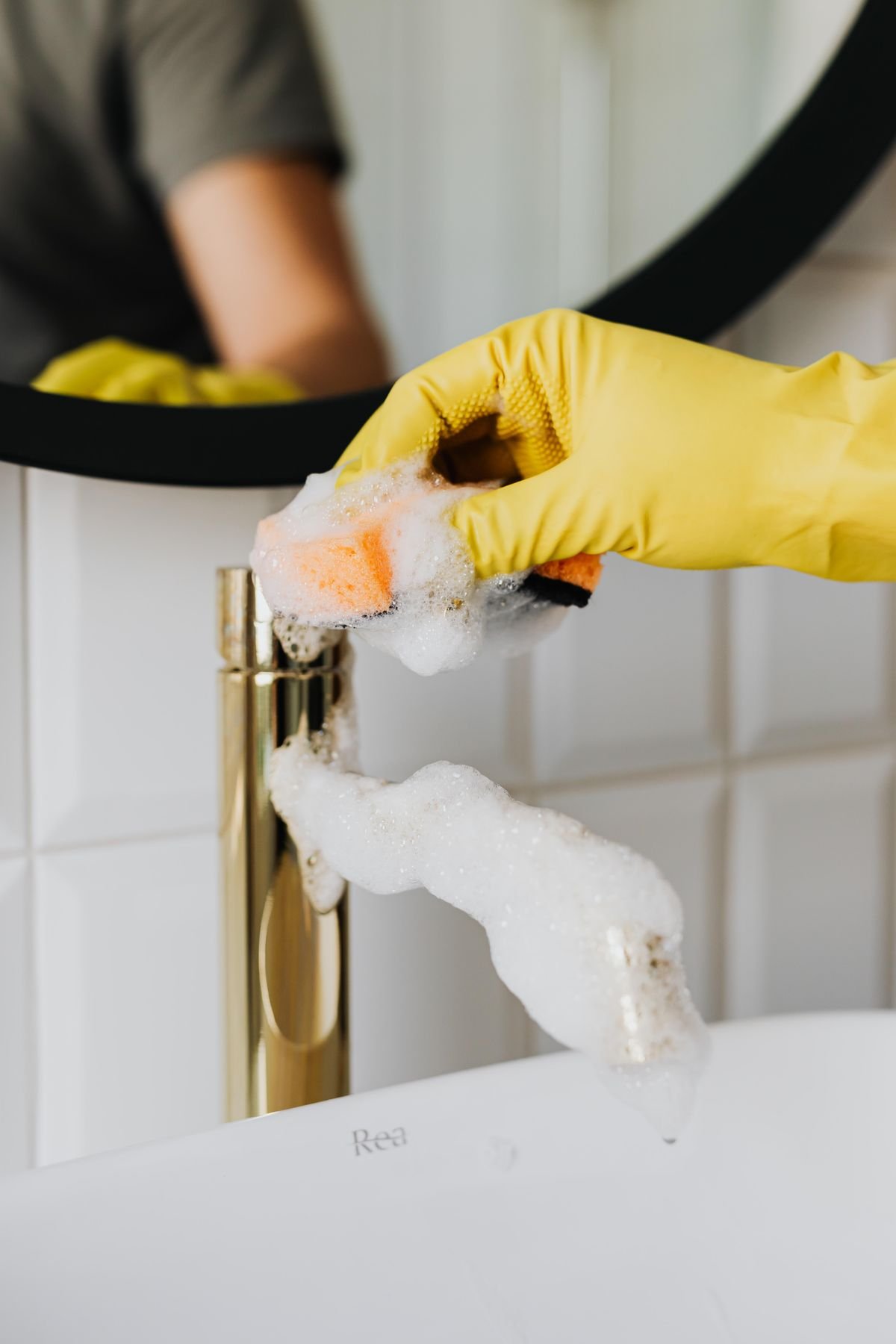
In the bathroom, work through the mirror, sink, faucet, tub or shower and toilet before cleaning the floor. Set out the fresh hand towel after the surfaces are finished, and return only the toiletries you want on display.
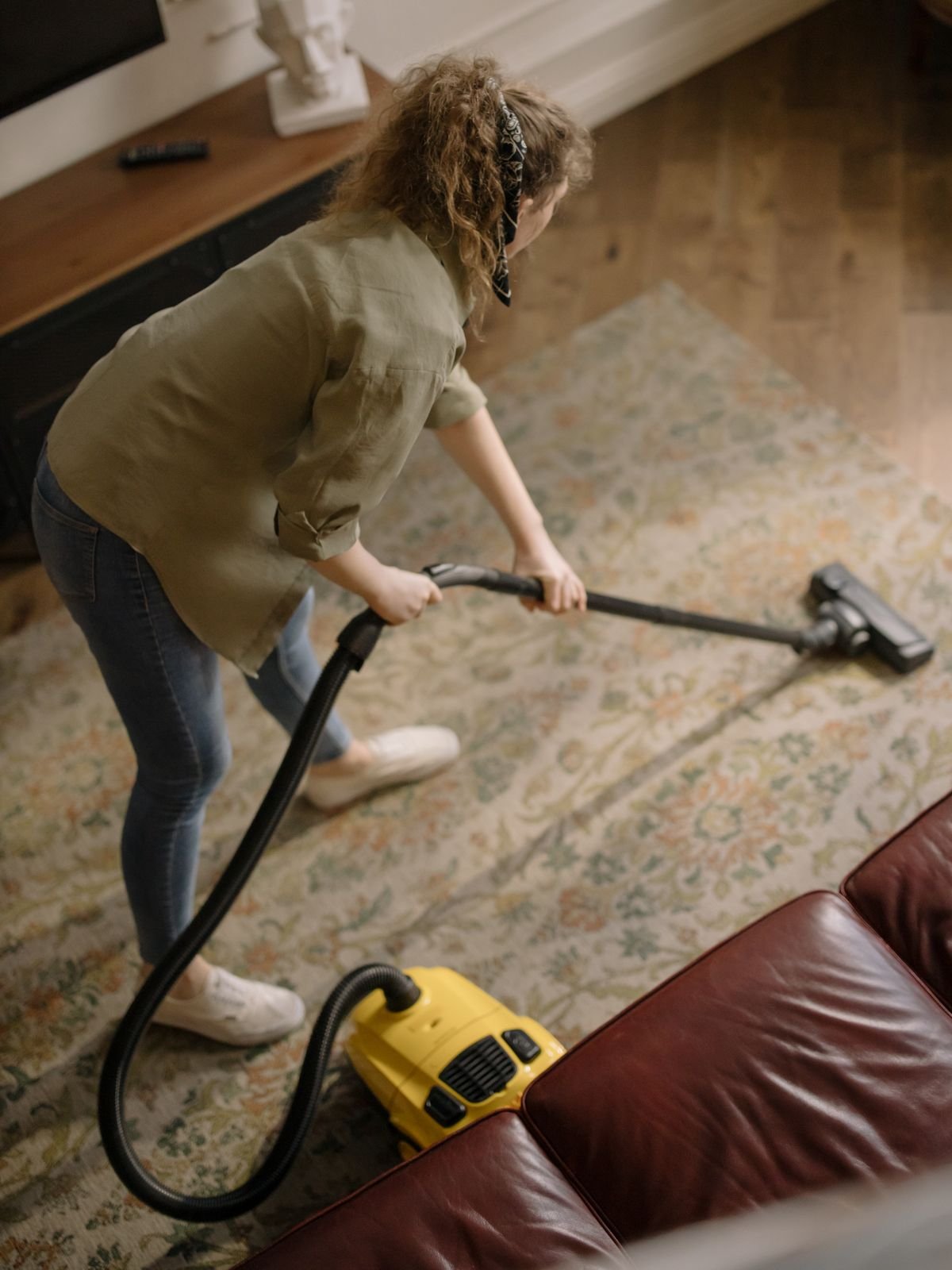
Finish each room with its floor, including edges and corners. Health Canada’s hard-floor and surface advice recommends a wet cloth or mop to remove dust and dirt, weekly vacuuming, and a vacuum with a HEPA filter if you can. Mark the room complete on your list, then move on rather than adding an unrelated cupboard project.
The kitchen before the cooking starts
Give the kitchen its deeper clean before your main cooking sessions. Start with storage, then work through the stovetop, backsplash, cabinet fronts and sink. Leave counters clear at the end so your first cooking task begins with space to lay out ingredients rather than another pile to sort.
Sort one cupboard or pantry shelf at a time. Pull its contents forward, wipe the empty shelf and dry it before putting things back. Group ingredients by how you will use them, and write a shopping list as you go. Put the ingredients for your planned dishes where you can find them without unpacking the entire cupboard.
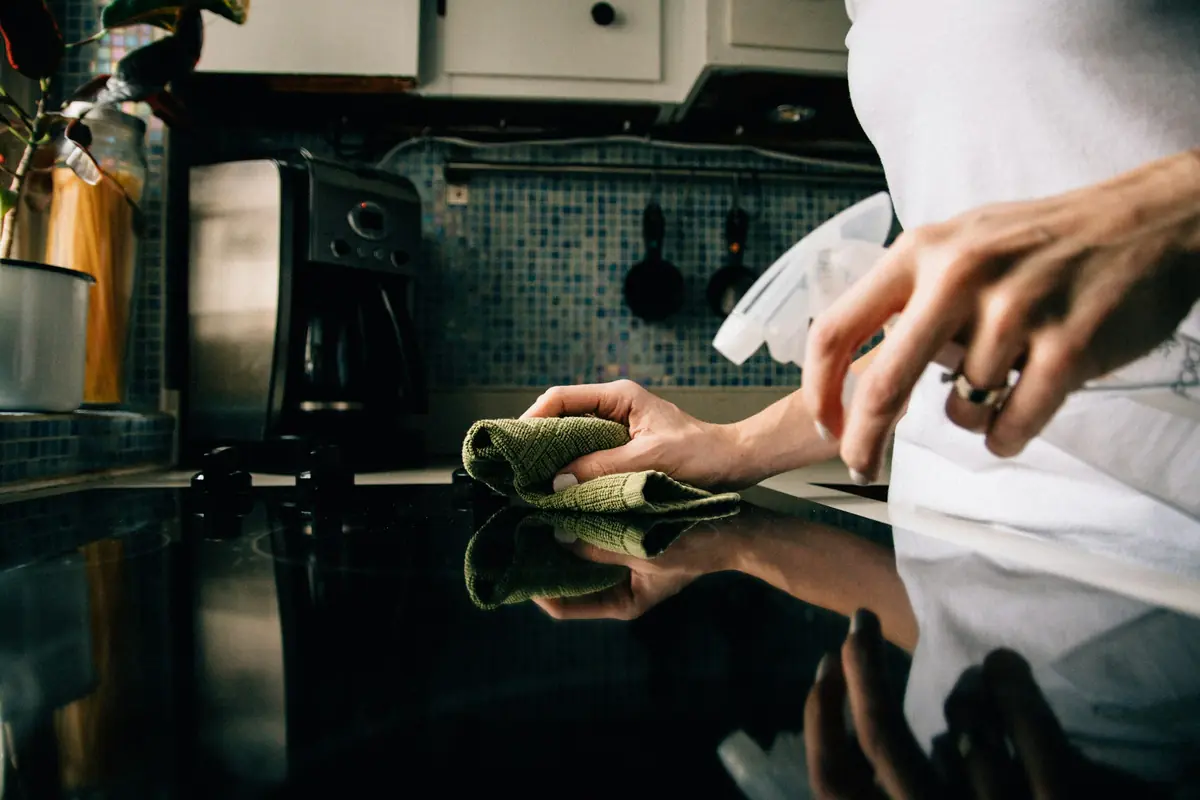
Next, clear the stovetop and degrease it using its care instructions. Work across the backsplash in sections, then detail the cabinet handles and fronts. Give the range hood and its filters a place on the list rather than stopping at the surfaces visible from the doorway. Finish by wiping the outside of appliances and cleaning the sink and faucet.
Make space in the fridge before buying the extra ingredients. Work shelf by shelf, remove unwanted contents, wipe empty areas and return the things you are keeping. Leave a clearly visible section for the sweets and dishes to come. Check that the containers you plan to use fit that space before filling them.
Keep the counter closest to your preparation area available, with serving items elsewhere until needed. Once cooking begins, the City of Mississauga’s advice on unattended cooking says to stay in the kitchen and watch what you heat, cook on the back burners, and keep a lid and oven mitts nearby to smother a small grease fire. Finish the kitchen cleaning before turning to that cooking session, rather than dividing your attention between rooms.
The entrance, where the celebration starts
Clear the entrance before deciding exactly where the decorations will go. Remove deliveries, spare shopping bags and shoes you will not need. Sweep the doorstep, wash the surface according to its finish and let it dry. Wipe the door, handle and threshold, then clean the inside entry floor.
Choose the space for your rangoli and diyas while the entrance is still empty. Look at the arrangement from both outside and inside the doorway, including with the door open. Keep the shoe area separate so arriving guests have an obvious place to put footwear without rearranging the display. Check your building’s rules if you plan to decorate a shared entrance.
Leave enough coat hooks or wardrobe space for the people you expect. Put your household’s extra coats elsewhere and empty the tray or basket used for small everyday items. A chair intended for guests should not still be holding the laundry you sorted earlier.
On the morning of the celebration, use this short reset:
- Return stray items to their rooms.
- Wipe the bathroom sink and mirror, then put out a fresh hand towel.
- Clear the kitchen counter and empty the household bins.
- Straighten cushions and clear side tables.
- Sweep the entry again and arrange the rangoli and diyas on the prepared surface.
Keep this pass focused on visible, used spaces. Leave the completed cupboards closed and save new organising projects for another day. The morning’s task is to refresh the work already done, not begin a second deep clean before guests arrive.
Homes across Toronto and the GTA
Fit the checklist to your floor plan rather than treating each room as an equal task. The narrow Victorian semis and row houses among homes in Trinity Bellwoods call for a plan that accounts for separate floors. Where a basement doubles as a guest room, add its bedding and bedside surfaces to the bedroom day instead of leaving them as an unnamed extra.
Detached and semi-detached family homes in Vaughan often have two storeys above a finished basement. If that describes your home, write every level on the list. Decide which bathroom guests will use and where you will serve food, then give those spaces a clear place in the second week. Finish the guest bedroom before moving the clean linens into it.
The housing around Yonge & Eglinton includes high-rise suites, older rental apartments, semis and detached houses. In a Yonge & Eglinton condo, plan the route from your suite door to the seating area for guests coming up the elevator. Decide where coats, shoes and a dish brought by a guest will go before adding decorations to those surfaces.
For any of these layouts, make the checklist describe actual spaces: “downstairs guest bathroom” is more useful than “bathrooms”. Keep the rooms used for hosting together on the plan, even when they sit on different levels. That gives you a clear final walk-through from the entrance to the table, seating and guest bathroom. For your next gathering, use the holiday hosting cleaning countdown to plan the preparation and the reset.
When to bring in help
A deep clean before the busiest week makes sense when the detailed work competes with cooking and hosting preparations. We can help with the build-up on the stovetop, range hood and filters, backsplash, cabinet fronts and hardware, along with bathroom tile and grout, shelves, sills and floors.
Review what a deep clean covers and choose which rooms need that attention before your celebration. Keep your own preparation list for sorting belongings, washing linens and arranging decorations, then leave the morning reset for the finishing touches. Call Cleaning Hive at (647) 558-0932 to talk through your home and preparation plans.
Frequently asked questions
How can I share the Diwali cleaning list with family?
Assign complete tasks. Give each person a named space and a clear finish point, such as an empty dining table or a sorted games shelf. Keep one shared list so nobody starts a cupboard another person is already sorting.
Should I unpack all my Diwali decorations while cleaning?
Open one box. Choose what you want to use this year, then return the remaining decorations to storage before opening another. Keep a separate list of missing pieces so shopping does not interrupt the cleaning task.
How do I prepare serving dishes that have been stored away?
Check each piece. Wash and dry the dishes according to their care instructions, then group them by the food you intend to serve. A small paper label beside each stack can help you match dishes to your menu.
Where should I start if I have fewer than two weeks?
Prioritise guest spaces. Choose the bathroom guests will use, the food-preparation surfaces and the seating area before tackling storage projects. Leave wardrobe reorganising for another day unless it directly creates room for coats or overnight guests.
Topics