
How to Prepare Your Home for a Professional Clean
On this page
Prepare for a professional clean by clearing surfaces, putting away personal belongings and writing useful access notes. Leave the washing, scrubbing and floor cleaning for the visit.
Tidy, don’t clean
Your preparation has one purpose: make the surfaces you want cleaned easy to reach. You do not need to scrub the bathroom, wash the floors or polish the taps before your cleaner arrives. Instead, look for belongings covering counters, shelves, beds and floors, and return those items to their usual places.
Start with the rooms that matter most to you. Clear the kitchen counter where breakfast things have collected, gather clothes from the bedroom floor and put toiletries back in their drawer. Leave everyday furnishings where they belong. The aim is an accessible room, not a stripped-down one.
Work room by room:
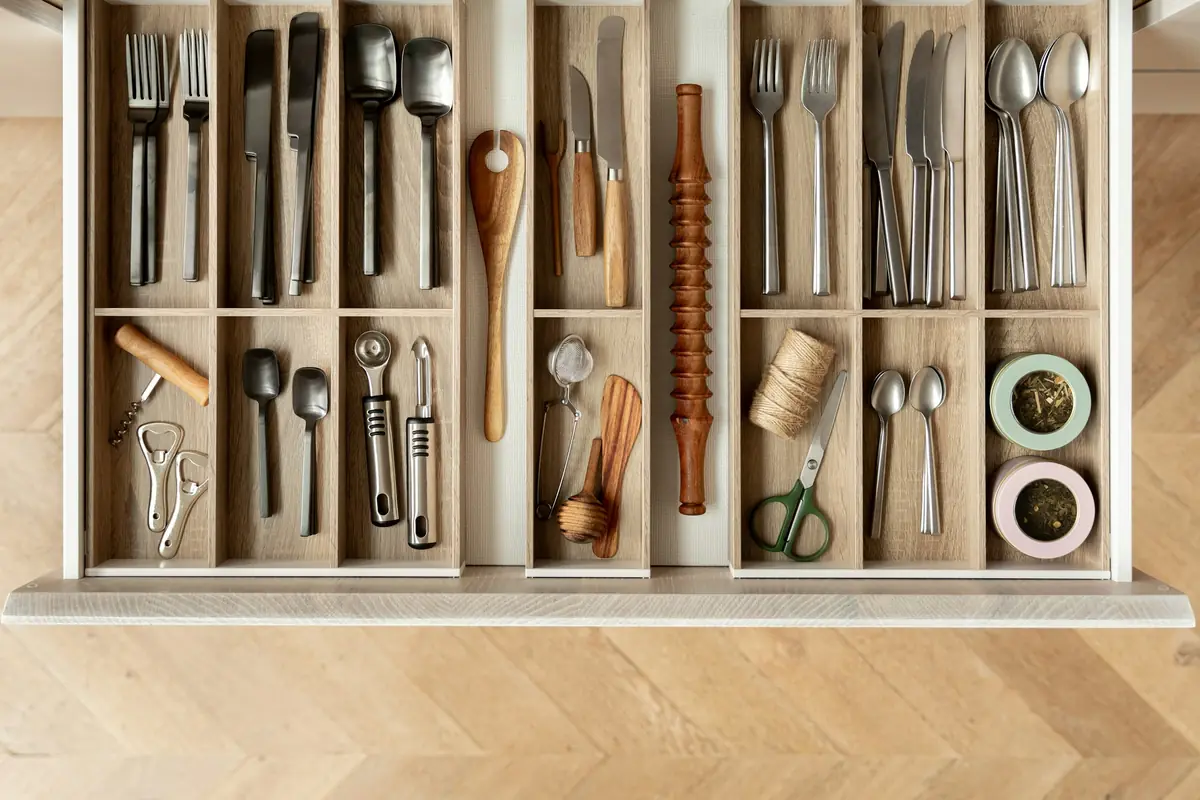
- Kitchen: Put food away and deal with dishes so the sink and counters are available. Return loose utensils and shopping bags to their storage spots.
- Bathroom: Gather cosmetics, toothbrushes and personal items into their usual cupboard or a basket you can put away.
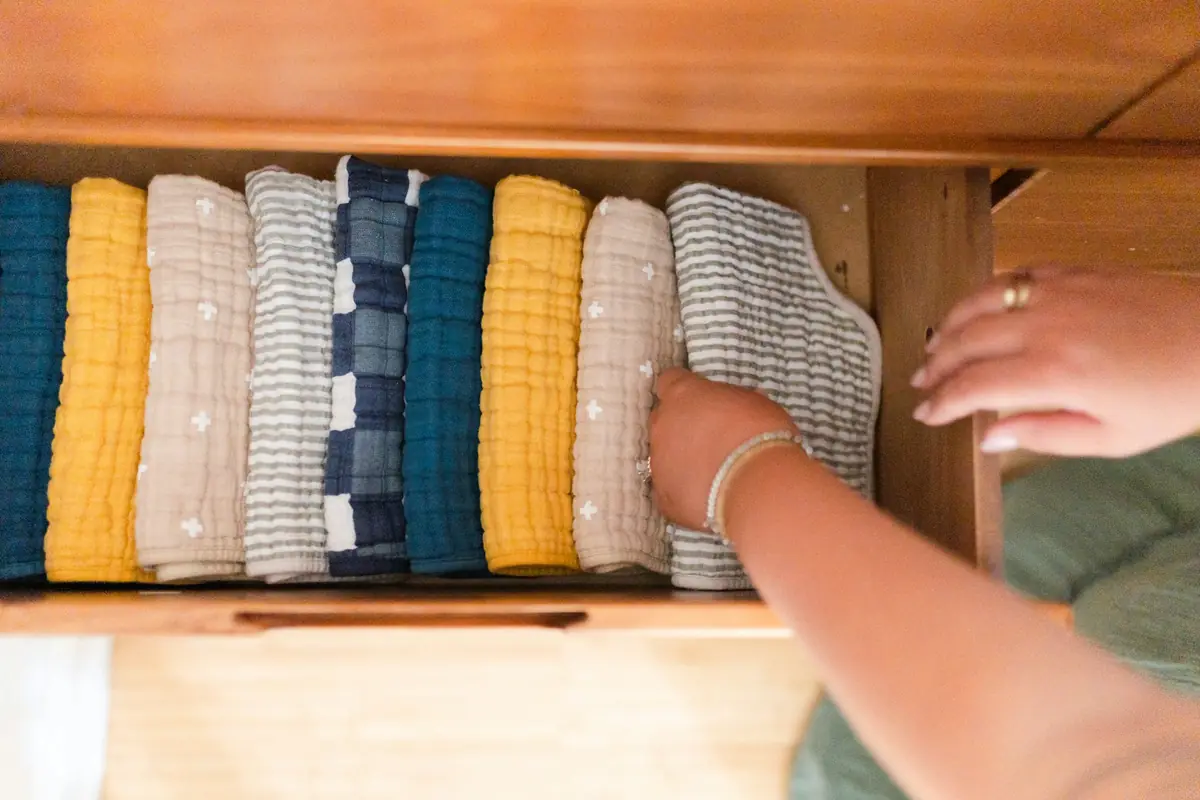
- Bedrooms: Put laundry in a hamper or drawer, and clear clothes, books and bags from the bed.
- Living areas: Return toys, craft materials and loose belongings to their shelves or containers. Gather remote controls in one place.
- Floors: Put away shoes, bags and scattered belongings rather than transferring them to another floor that also needs cleaning.
Keep the task small. A basket can collect things that belong elsewhere, but empty it into their proper places before the visit. Our steps for clearing and decluttering a room can help with this part; stop before the cleaning steps.
Save larger sorting projects for another day. If you already have unwanted clothing, books or toys set aside, the City of Toronto lists donation options for unwanted items that can give them a new life. Metro Vancouver’s clothing donation and recycling directory helps you find locations for reusable and non-reusable clothing, linens and accessories. You need not finish a whole-home declutter before a first clean, or reorganise every drawer and cupboard.
Write useful booking notes
Write notes that someone unfamiliar with your home can follow. Use simple labels: access, parking, pets, priorities, finishes and departure. Short, precise directions are easier to use than a long paragraph mixing household history with entry instructions.
For access, describe the entrance you intend your cleaner to use and the steps between that door and your home. Include the unit number where relevant, along with any arranged key, fob or concierge handover. Say whether you plan to be home or out, and include how to lock up.
For parking, identify the option you have checked rather than writing “parking nearby”. Describe where it is and how to reach it from the entrance. If visitor registration is involved, check your building’s process and include the relevant steps. Keep parking directions separate from directions for entering the home.
Mention pets by type and say where they will be during the visit. Include a practical arrangement, such as the room you have chosen for them, and identify their bowls or bedding if those might otherwise be moved while tidying. Make the plan explicit rather than expecting your cleaner to infer it from a closed door.
Choose priorities within the clean you booked. “Main bathroom shower and kitchen counters are my priorities” gives more direction than “please be thorough”. Put your priorities in order, and use recognisable room names, such as “office” for a second bedroom used for work.
Separate a request for attention to a surface from an instruction about how to care for it. “Focus on the bathroom vanity” identifies a priority; the maker’s care directions belong under finishes.
Read the notes once from your cleaner’s perspective. Replace “the usual spot” or “the other door” with a description that makes sense on a first visit. Keep the final version in your booking.
Valuables, fragile things and finishes
Put jewellery, cash, personal documents and fragile keepsakes in their usual storage places before the visit. This is a useful moment to gather the small things that tend to stay on a bedside table or bathroom counter. Choose a drawer or cupboard you will remember, rather than a temporary hiding place.

For a shelf of ornaments, decide which items you want to put away yourself. Move delicate pieces individually to a storage spot instead of piling them into the same basket as everyday clutter. Keep matching pieces together. You can leave the shelf arranged more simply for the clean and return your display afterwards.
Before putting a display away, take a reference photo if you want to recreate its arrangement. This is especially useful for a group of keepsakes laid out in a particular order.
Treat finish information as a separate part of your notes. Identify the surface and its location, then include any care directions you have from its maker. “Bathroom vanity top” is more useful than “special stone somewhere upstairs”. If you do not know the material, describe it without guessing and ask about it when booking.
A care booklet can be lengthy, so identify the relevant page or passage rather than copying the whole document into your booking. Distinguish between two similar-looking surfaces if their care instructions differ. For example, name the kitchen counter and bathroom vanity separately instead of grouping both under “counters”.
Mention a particular product preference when booking. Health Canada’s household chemical storage advice says to store household chemical products tightly closed in their original containers, out of sight and reach of children and pets. Your note can identify the product by its label without putting it on display.
On the day
You can be home for the visit or arrange access and go out. Make that choice in advance so your preparation supports it. If you will be there, have your notes ready and use the first conversation to point out your priorities and any finish information. Keep the introduction focused on what your cleaner needs to know.
Walk through your home once before the clean:
- Put away dishes or laundry that appeared after your initial tidy.
- Return bags and personal belongings to their storage places.
- Check that priority surfaces remain clear.
- Confirm the pet arrangement you described.
- Confirm that entry and lock-up arrangements match your booking notes.
If you are working at home, identify your working room and any planned calls in your notes, then gather what you will need during the visit. If you are heading out instead, have your bag, coat and other belongings ready before the introduction.
Use that final walk-through to notice smaller surfaces you may have overlooked: the bedside table beneath a charging cable, the bathroom ledge behind your toiletries or the chair holding yesterday’s clothes. Put those belongings away without turning the check into another cleaning project.
There is no upfront payment. Keep your booking details available for reference during the visit.
Condos, suites and houses
Match your directions to your home’s entrance, not just its address. Toronto condo cleaning visits can involve visitor registration, a service-elevator booking or a key or fob at the concierge. Check your building’s own process and describe the steps in the order your cleaner will encounter them.

For homes in Mississauga, City Centre condos near Square One and the Absolute World towers usually involve a fob or concierge buzz-in. Include that arrangement and a visitor-parking option together. Distinguish the parking entrance from the entrance used to reach the desk if your directions refer to separate doors.
In Coal Harbour condo buildings, front desks usually maintain a visitor list. Arrange visitor registration or a key or fob at the concierge, then record what you arranged in your booking. If there is a visitor stall or loading bay your cleaner can use, include its details alongside the entry instructions.
When speaking with the desk, ask what information it needs from you for the visit. Use that answer to complete the arrangement, rather than leaving a general instruction to “ask downstairs”. If your building gives you a specific entrance name, use that same name in your notes.
For a house or a suite with its own entrance, name the intended door plainly. If you want a side door used, say which side and how to identify it. Describe left or right from a stated viewpoint, such as facing the house from the street. This makes the direction useful to someone arriving for the first time, rather than someone already familiar with your home.
When to bring in help
When you want help keeping up with household cleaning, prepare for the tasks you booked rather than doing them yourself. The service checklist helps you decide which surfaces to clear and which priorities to mention.
Cleaning Hive’s regular home cleaning checklist includes kitchen counters, sink, faucet and backsplash, bathroom toilets, tubs, showers and sinks, dusting in bedrooms and living areas, and vacuuming throughout, rugs included. Match your priority notes to those tasks so the visit focuses on the rooms and surfaces that matter to you.
Book online 24/7 and choose your time, or call (647) 558-0932 to talk through your first clean.
Frequently asked questions
Where should I put paperwork from a desk before cleaning day?
Use a labelled folder or document tray that you can put away together. Keep papers in their existing order rather than sorting them during your preparation, and set aside anything you need for work so it remains easy to find.
Should I leave fresh sheets out for the bed?
Ask when booking. Regular cleaning includes making beds; mention a requested linen change explicitly. Confirm the request rather than relying on a folded set of sheets to communicate what you want your cleaner to do.
How can I prepare a shared home for its first clean?
Agree on priorities together. Ask each person to put away their own belongings, then have one person collect the household’s room names, preferences and entry instructions into a single set of notes so the directions read consistently.
Should I empty my kitchen cupboards before a regular clean?
Leave cupboard contents in place. Regular kitchen cleaning includes wiping cabinet fronts and the outside of appliances, so focus your preparation on those accessible faces rather than unpacking dishes, pantry containers or cookware onto the counters.
Topics