Fall Cleaning Before the Heat Comes On: A Toronto Checklist

On this page
Before turning on the heat, clean from upper shelves down to floors, finishing with registers and return grilles. Include radiator gaps, window sills and the entry in your fall checklist.
Plan a top-to-bottom autumn clean
Before turning on the heat, look beyond the middle of the floor. Check the shelf above a radiator, the ledge beside a return grille and the space beneath the sofa. Make those overlooked surfaces part of one planned pass rather than treating each dusty patch as a separate job.
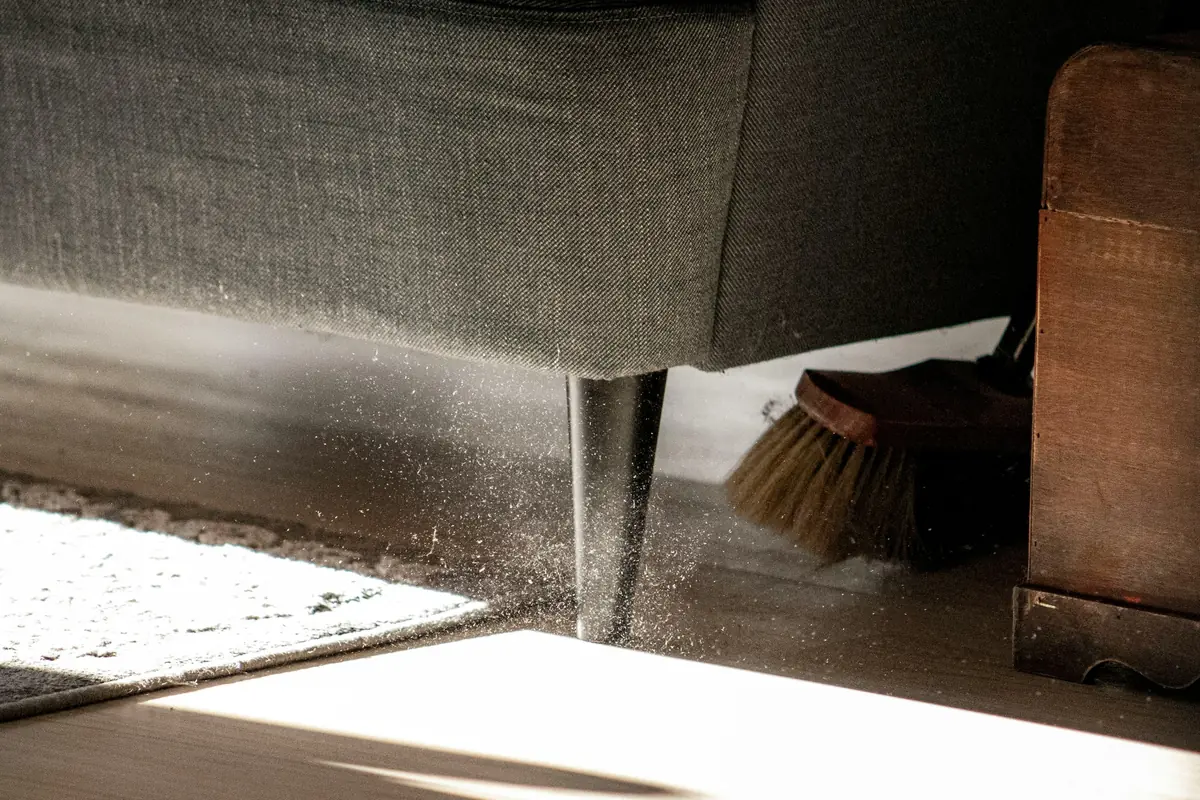
Forced-air outlets and the spaces around radiators belong on the same checklist, even though you clean them differently. The aim is to remove settled dust before heating season, starting with the surfaces above them. Leave the final wipe of registers until nearby shelves, trim and floors are finished.
Use this order in each room:
- Clear small objects from shelves, sills and nearby furniture.
- Dust upper surfaces, then work down through furniture and trim.
- Brush the accessible radiator gaps and collect the loosened dust.
- Vacuum floor edges and underneath accessible furniture.
- Finish the register covers and return grille.
Keep household cleaning and heating maintenance as separate tasks on your list. Write down the rooms you plan to clean, then give professional maintenance appointments their own space rather than mixing them into the dusting checklist.
The Government of Ontario says to have fuel-burning appliances, chimneys and vents cleaned and inspected by professionals every year before cold weather sets in.
For the cleaning portion, choose a clear finish for each room: empty ledges wiped, floor edges vacuumed and covers returned. Complete that room before carrying the kit onward, rather than leaving a trail of half-finished surfaces.
Vents, registers and baseboard heaters
Start by identifying the outlets, return grilles and baseboard heaters in each room. Make a room-by-room list, including covers beside furniture and those that blend into the floor. Include the accessible exterior of baseboard heaters in your pre-heating dusting pass, using the cleaning method in the heater’s own care instructions.
For removable, washable register covers, lift them out as their instructions allow. Vacuum loose dust from the cover, wash it according to its finish and wipe it dry. Clean the edges of the floor opening and the surrounding floor, then return the dry cover to its original position. Keep the task focused on the cover and visible edges.
Work along the cover’s individual slots. Turn it to check the reverse side, where the shape may make a second pass useful. If you are washing several covers, keep each one beside its room label rather than making an unmarked pile.
Vacuum a return grille’s face with a brush attachment, working along the slots rather than across them. Follow with a cloth on the accessible exterior. Check the wall around it too: a freshly wiped grille looks unfinished beside a dusty strip of trim or an untouched floor edge.
Include the ordinary room surfaces nearby. Wipe the baseboard beside a floor register, the furniture legs next to it and the shelf above a wall grille. Use a clean face of the cloth for the final pass so you are collecting dust rather than spreading it across the finish.
Homeowners should also put the furnace filter on their list. Natural Resources Canada says to inspect, clean or change air filters regularly, as the owner’s manual or manufacturer advises, in its fall heating-system check-up guidance. If you rent, ask your landlord about the filter and maintenance arrangements instead of guessing which replacement or schedule applies.
Radiators and the rooms around them
A radiator clean is easier to organise when you treat it as a small room zone. Clear the sill, nearby shelf and loose objects first. Put a cloth beneath the area you are brushing so you can gather the loosened dust before finishing the floor.
Use a long radiator brush to dust between accessible fins or sections, following the radiator’s care instructions. Work through one gap at a time instead of sweeping across the whole front. Withdraw the brush, remove the dust it has collected and continue to the next space.
Vacuum underneath after brushing. Use a narrow attachment to collect the dust along the floor edge and around the feet, then move to the exposed floor in front. Check from both sides where the room layout allows: the front view alone can leave a strip underneath untouched.
Wipe the accessible wall behind and the floor below with a damp cloth suitable for those finishes. Fold the cloth to expose a clean face as you work. Follow with a dry cloth on the sill and trim, including shelf brackets and the lower corners where the wall meets the floor.
For a narrow patch of wall, work in short sections rather than trying to wipe its whole length in one movement. Check the cloth after each section and change it when it becomes loaded with dust. Gather the cloth beneath the radiator inward to keep its collected debris together.
Before returning the objects you cleared, wipe their undersides and check the shelf for any remaining marks. Put back only what belongs there. Keep your brush with the cleaning kit so the next radiator can be tackled in the same order.
Windows, sills and the entry before winter
Clean the accessible interior glass and sills before you start using the heat. Work on each window as a complete unit: clear the sill, remove loose dirt, wash the glass and finish the frame and ledge. Keep a separate dry cloth ready for the final edges.

Start with loose debris in the sill corners so it does not become a muddy smear when you wipe. Use the cleaning method suited to the glass and frame finish. Work across the pane in overlapping passes, then dry the edges with a clean cloth. Finish with the sill rather than putting ornaments straight back onto it.
Take the opportunity to sort what lives at each window. Wipe plant saucers and the bottoms of decorative objects before returning them. Launder washable window textiles according to their labels, or add their care needs to a separate list so the window task stays manageable.
At the entry, remove leaves from the doorstep and sweep the threshold. Lift the existing mat, clean beneath it and clean the mat according to its care label. Set out a boot tray with enough room to remove footwear without piling it against the door.
Make the entry reset practical:
- Put everyday footwear where it can be reached without emptying a cupboard.
- Clear the tray before adding winter boots.
- Give bags, umbrellas and outdoor accessories a defined place.
- Leave a cloth nearby for wiping the tray between floor cleans.
Finish by sorting summer items. Clean and dry washable footwear, picnic textiles and other seasonal pieces before storing them. Label containers by contents rather than simply “summer”, so finding one item does not mean opening every box. Keep the floor clear while you sort, then vacuum the entry once the storage is back in place. Return the mat only after finishing the floor beneath it.
Toronto houses, semis and basements
Adapt the checklist to the details your home actually has. In older Corktown row houses, narrow stairs and small rooms call for a room-by-room plan. Clear one landing or room at a time, and finish its trim and floor before carrying the cleaning kit onward.

In Riverdale’s older houses, radiators, deep sills and stair spindles deserve their own places on the list. Treat each spindle section as part of the downward dusting pass, then collect the dust from the stair tread or floor below. Include the full depth of the sill rather than wiping only its front edge. Riverdale’s porches and narrow halls also take in winter slush and salt, making the autumn mat-and-boot-tray setup worth including.
For basement laundry and storage, start with what you can empty and sort. Clear the tops of storage bins, wipe shelving and vacuum the floor edges. Move laundry baskets long enough to clean their usual spots, then return only the items that belong in that area.
Sort the shelving by contents as you go. Group laundry supplies together and give seasonal storage its own labelled section. Wipe the bottoms of containers before putting them onto the cleaned shelves.
Separate dusting from signs of damp. Health Canada’s healthy-home guidance for basements recommends a dehumidifier in damp or humid areas and storing things in plastic bins with lids instead of cardboard boxes, which can grow mould if they get wet.
The City of Toronto advises checking basement corners regularly, because a damp or wet floor can indicate that the weeping tiles are not working properly.
Keep observations in a short home-maintenance note: location, what you noticed and whether it changes. That leaves the cleaning list focused on shelves, laundry surfaces and floors.
When to bring in help
Bring in help when the seasonal list includes accumulated build-up across several rooms, not just a few dusty covers. Cleaning Hive’s deep clean includes shelves, sills, door frames and switch plates, vents and register covers wiped, reachable light fixtures and ceiling fans dusted, and floors vacuumed through edges and corners.
Review what a deep clean covers and put your room-by-room priorities, such as sills, register covers and floor edges, together in your booking notes. That gives your seasonal checklist a clear focus when arranging help. Call us at (647) 558-0932 to discuss your autumn clean.
Frequently asked questions
How can I keep track of register covers while cleaning several rooms?
Label them by room. Put each cover’s fasteners in a separate labelled container and take a reference photo before moving anything, so the covers and their original hardware stay together throughout the job.
What should go in a small fall dusting kit?
Start with washable cloths. Add a long radiator brush, a vacuum attachment for narrow gaps and a small container for loose hardware; keeping these together saves repeated trips between rooms as you work through the checklist.
Should I clean inside a storage bench when setting up the winter entry?
Yes, empty it first. Vacuum the bottom and corners, wipe the interior according to its finish, and let it dry before returning scarves, gloves or other seasonal items; sort out unmatched pieces while everything is visible.
How should I sort cleaning cloths after the autumn clean?
Separate by care label. Empty collected debris into the rubbish, then launder reusable cloths as their labels direct. Once dry, sort them by task so glass cloths and floor cloths are easy to distinguish for your next clean.
Topics