6 Essential Cleaning Tools Every House Needs
On this page
- 1. Microfiber cloths: the workhorse
- 2. A vacuum with the right attachments
- 3. Broom and dustpan, for the quick wins
- 4. A sturdy scrub brush
- 5. Spray bottles: fill them with what works
- 6. A mop for hard floors
- Tool-by-tool cheat sheet
- Tools beat chemicals (most of the time)
- Build your kit and keep it maintained
- Frequently asked questions
You can clean a whole home with six tools: microfiber cloths, a vacuum, a broom and dustpan, a scrub brush, a spray bottle and a mop. These cover everything from daily crumbs to weekly floors to monthly deep cleans, and they do it with less chemical use than a cabinet full of specialty gadgets. Here is what each tool does, how to choose it, and how to keep it working for years.
1. Microfiber cloths: the workhorse
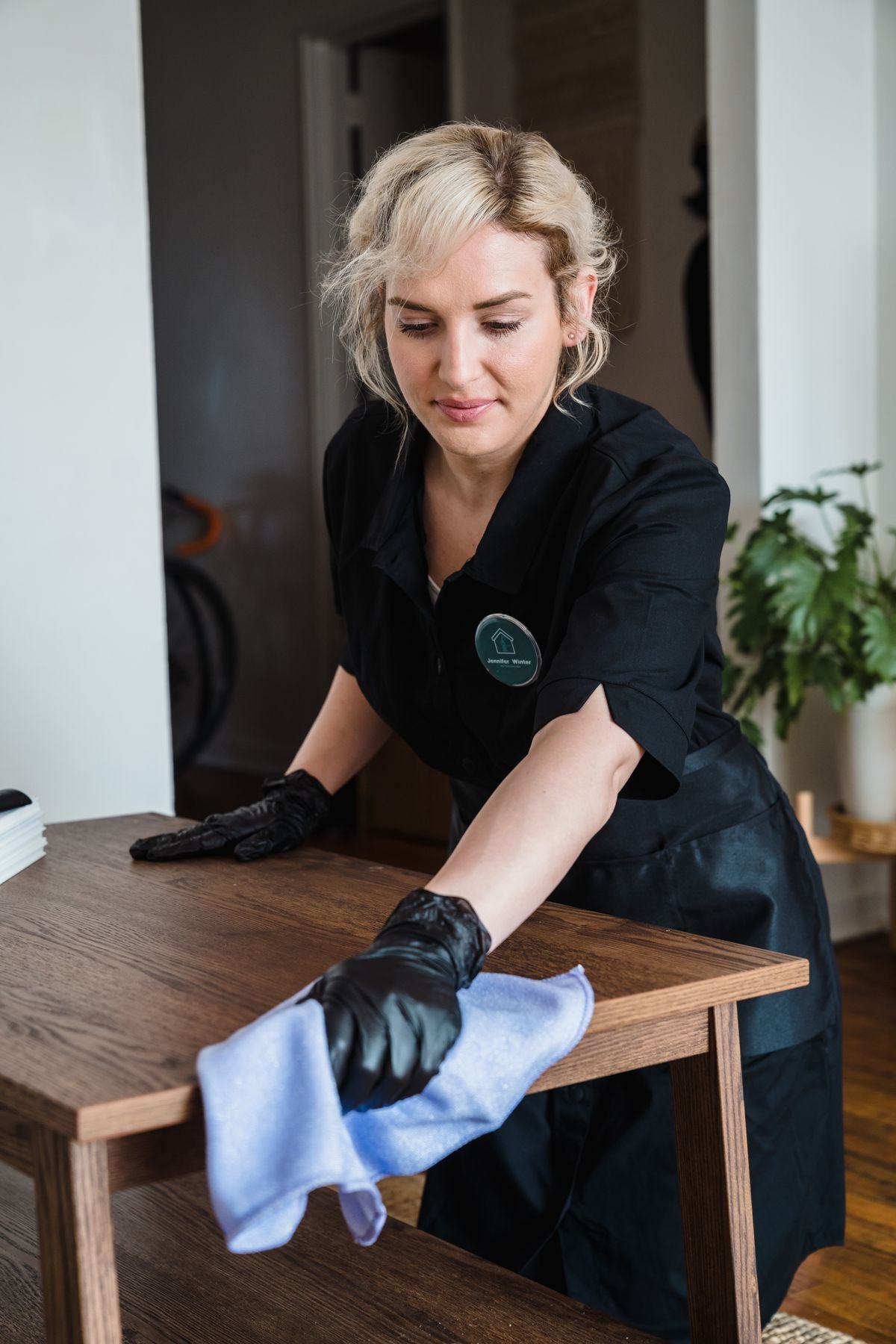
Microfiber’s ultra-fine fibres physically trap dust, grease and bacteria, which means most surfaces can be cleaned with water or a mild cleaner instead of a spray for every room. Keep a dozen: use one colour for the kitchen, one for the bathroom and one for dusting, and wash them without fabric softener (it coats the fibres and kills their grip). They are reusable for months, which makes them cheaper and greener than paper towels, and they leave glass and mirrors streak-free, which paper towels rarely do.
2. A vacuum with the right attachments
A vacuum is the most important tool for controlling indoor allergens, because it removes the dust, pet dander and tracked-in grit that settle into carpets, rugs and upholstery. The National Institute of Environmental Health Sciences identifies dust mites and pet dander among the most common household allergens. If anyone in your home has allergies or asthma, choose a model with a HEPA filter: it captures fine particles instead of blowing them back into the air. The EPA recommends regular vacuuming as part of keeping indoor air quality healthy, especially in homes with pets. Keep the attachments handy: the crevice tool for edges and baseboards, the brush for upholstery, and the extension wand for ceilings and vents.
3. Broom and dustpan, for the quick wins
For crumbs, pet hair and porch debris, a broom beats a vacuum: no cord, no noise, no setup. Get a broom with soft, dense bristles for indoor floors and keep a dustpan with a rubber lip that sits flush on the floor, so debris actually sweeps into it. A broom and dustpan in the kitchen and entryway means small messes get handled in seconds instead of accumulating all day.
4. A sturdy scrub brush
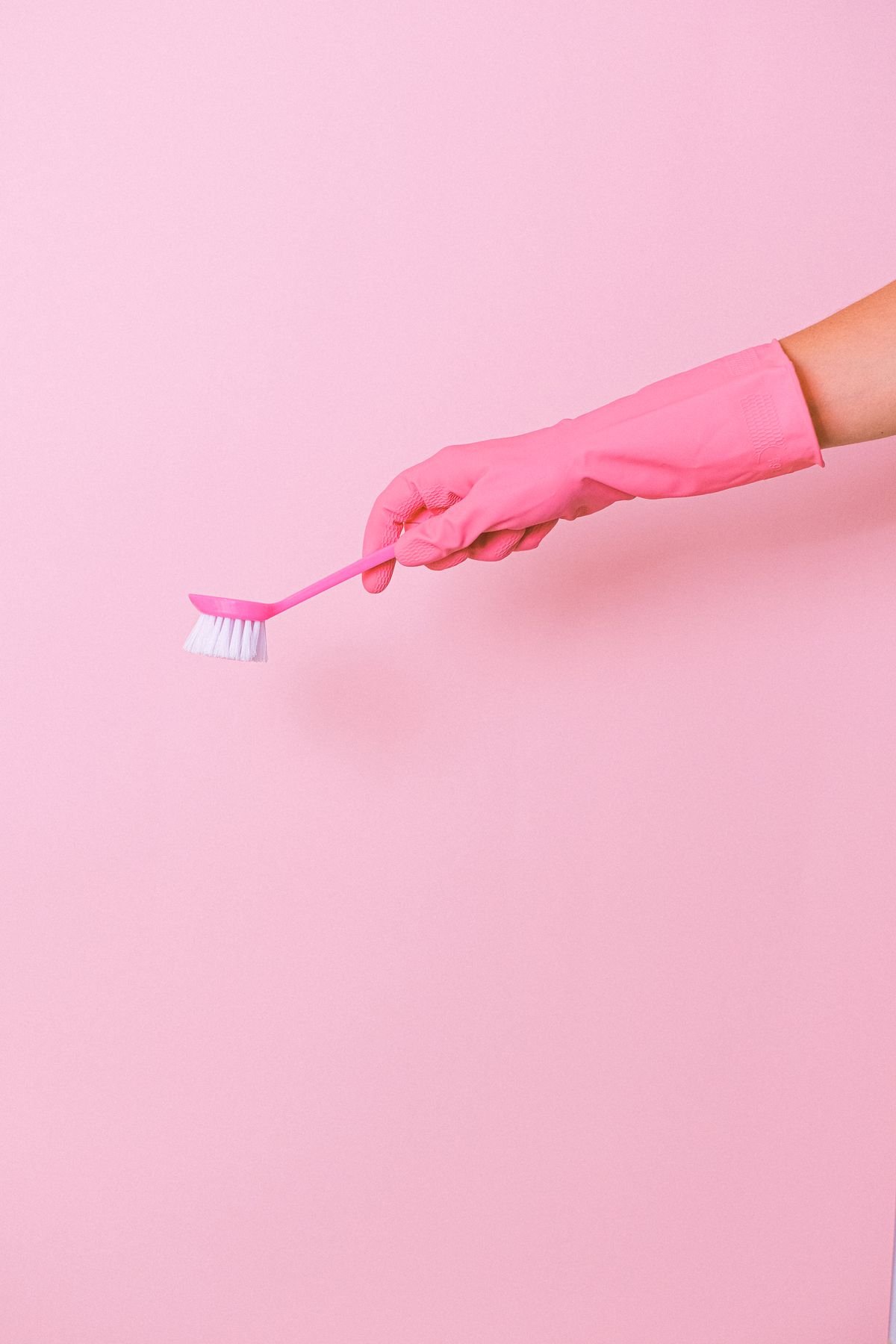
Sprays loosen dirt; brushes remove it. A good scrub brush with medium-stiff bristles tackles tubs, sinks, stovetops, grout and outdoor furniture, and a small stiff brush (or old toothbrush) reaches faucets, shower tracks and grout lines. Choose one with a comfortable grip and bristles that hold their shape: cheap brushes splay out and stop scrubbing within weeks.
5. Spray bottles: fill them with what works
A few refillable spray bottles let you use one good all-purpose cleaner everywhere, or make your own mixes, instead of buying a different aerosol for every room. Label each bottle with its contents, and never reuse a bottle that held chemicals for one that will hold food-safe solutions. For sanitizing jobs, use a product labelled as a disinfectant and follow the contact time on the label; a spray that is wiped off instantly does not disinfect.
6. A mop for hard floors
Hardwood, tile and vinyl all need mopping: vacuuming alone leaves a film of dust and sticky spots. A flat microfiber mop with a washable pad is the easiest to use and store; a sponge or string mop with a wringer bucket still works if that is what you own. Use a cleaner suited to your floor type (wood floors need a wood-safe product), and change the water when it turns grey or you are just spreading dirt around.
Tool-by-tool cheat sheet
| Tool | Use it for | Care and lifespan |
|---|---|---|
| Microfiber cloths | Dusting, glass, counters, final wipes | Wash without softener; replace when worn (6 – 12 months) |
| Vacuum + HEPA | Carpets, rugs, upholstery, vents | Empty or change bags on schedule; clean filters monthly |
| Broom and dustpan | Daily crumbs and debris on hard floors | Hang to store; rinse bristles occasionally |
| Scrub brush | Tubs, sinks, grout, stovetops | Rinse and dry after use; replace when bristles splay |
| Spray bottles | All-purpose cleaner, glass, disinfectant | Label contents; rinse nozzles to prevent clogging |
| Mop | Hard floors | Wash pads after use; let mop heads dry fully |
Tools beat chemicals (most of the time)
Good tools reduce how many chemicals you need, which is better for your air and your budget. The EPA notes that volatile organic compounds from household cleaning products can affect indoor air quality, and ventilating while you clean limits exposure. Microfiber and water handle most daily dirt; save the chemical sprays for disinfecting and heavy grease, and open a window while you use them. For households that want minimal-chemical cleaning altogether, professional eco-friendly cleaning is a solid option.
Build your kit and keep it maintained
You do not need to buy everything at once: start with microfiber cloths and a broom, add a vacuum and mop, then round out the set with brushes and bottles. Store tools where you use them: a caddy for the kitchen, one for the bathroom, and the vacuum and mop in a closet with room to dry. Well-maintained tools are also the foundation of any cleaning service’s results: Cleaning Hive’s regular home cleaning and home deep cleaning teams bring professional-grade versions of exactly these tools, and you can see what each visit includes in the FAQ or book online.
Frequently asked questions
What cleaning tools do I really need as a minimum? Microfiber cloths, a vacuum, a broom and dustpan, a scrub brush, a spray bottle and a mop. That is the full set for a standard home; everything else (steamers, carpet cleaners, specialty gadgets) is optional.
Are HEPA-filter vacuums worth the extra cost? For allergy and asthma households, yes. HEPA filters capture fine particles like dust-mite debris and pollen instead of exhausting them back into the room, and the EPA lists vacuuming with good filtration among practical indoor air quality steps.
How do I keep my cleaning tools from getting gross? Rinse and dry brushes after use, wash mop pads and microfiber cloths regularly, empty the vacuum on schedule, and store everything somewhere dry. A wet mop head or damp cloth left in a bucket is how tools start smelling and spreading mildew.
Do professional cleaners bring their own tools? Yes. A professional cleaning service arrives with its own supplies and equipment, so you do not need to buy or maintain anything.