How to Dry Clothes Quickly: 6 Effective Methods
To dry clothes fast, start by removing as much water as possible in the washing machine’s high-speed spin, then pick a drying method that matches how fast you need the clothes: a dryer with clean lint filters for speed, a dehumidifier for indoor drying, or strategic hanging for delicate items. Here are six methods that work, plus the mistakes that slow them down.
1. Use the highest spin speed your machine offers
The spin cycle is where most drying time is won or lost. A high-speed spin leaves clothes damp instead of soaking, cutting dryer time noticeably. Balance the load evenly: an unbalanced drum spins slower and leaves clothes wetter. For hand-washed items, skip the wringing and roll them in a dry towel, then press down to squeeze water into the towel.
2. Tumble dry smarter
Clean the lint filter before every load: a clogged filter restricts airflow, so the dryer runs longer and works harder. Dry similar fabric weights together, don’t overload the drum, and add dry wool dryer balls to separate layers and speed evaporation. If your dryer has a moisture sensor, use the auto-dry setting instead of timed heat: it stops the moment clothes are dry, saving time and energy. ENERGY STAR-certified dryers use sensor drying and efficient heat technology to get loads dry with less energy.
3. Dry indoors with a dehumidifier
In a condo, apartment, or cold-weather month, a dehumidifier is the fastest way to dry laundry indoors. Set up a drying rack near the unit, point the airflow at the clothes, and the dehumidifier pulls moisture from the air instead of letting it settle on windows and walls. That matters because lingering dampness is exactly what mould and moisture problems feed on. The EPA lists controlling humidity as a key step in preventing mould in the home.
4. Hang strategically for airflow
Where you hang clothes matters as much as how. Hang them on a rack in a room with moving air (a ceiling fan or oscillating fan cuts drying time dramatically), and space items so air can pass between them. Shirts dry fastest on hangers; heavier items like jeans and hoodies dry faster inside-out with pockets opened. Keep a window cracked so humid air can escape.
5. Use the iron-and-towel trick for single items
For one urgent shirt or pair of pants, lay the item on a dry towel, roll them together like a burrito, and press or stand on the roll to transfer moisture into the towel. Repeat with a second dry towel if needed, then finish with a quick iron or a hairdryer on low heat for collars and cuffs. This method rescues a single garment in minutes without firing up a full dryer cycle.
6. Know what not to do
- Don’t hang clothes on radiators: it slows drying by blocking heat circulation and can overheat the room.
- Don’t dry delicate knits on hangers: they stretch; lay them flat on a towel instead.
- Don’t run the dryer for one small item; add a dry towel to the load to absorb moisture and cut the cycle.
- Don’t leave damp clothes sitting in the machine overnight: musty smells are the first sign of dampness-related indoor air problems.
Which method should you choose?
| Situation | Fastest method | Why it wins |
|---|---|---|
| Full load, need it today | Dryer with clean filter + wool balls | Even heat and airflow dry fastest |
| No dryer (condo, apartment) | Drying rack + dehumidifier + fan | Removes humidity instead of recirculating it |
| One item, need it now | Towel roll + iron or hairdryer | Minutes, not an hour |
| Delicates and knits | Flat dry with fan | Fast enough without stretching fabric |
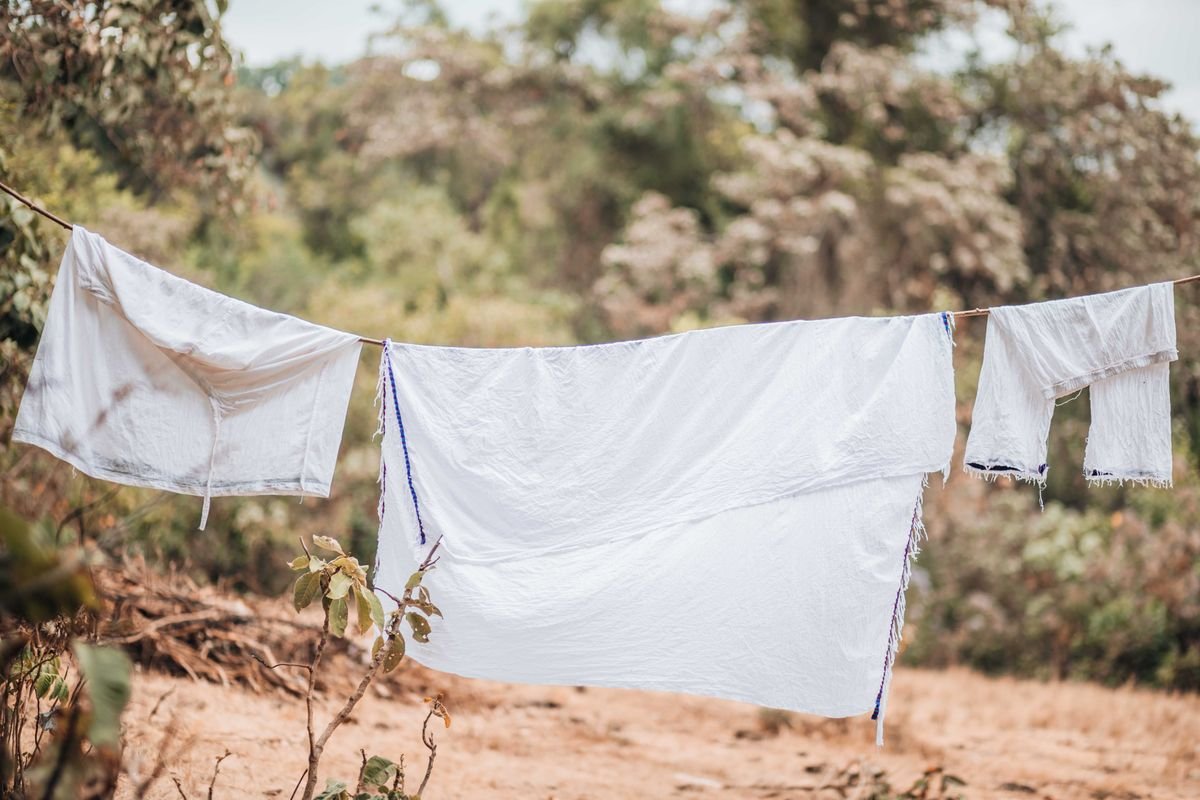
| Outdoor drying in summer | Line dry in full sun and breeze | Free, fresh-smelling, and energy-free |
Getting laundry done faster frees up real time in a busy household, the same reason many Toronto homes hand the rest of the chores to a professional. While you catch up on laundry, a professional maid service can handle the rest of the house, or you can book a one-time cleaning for a full reset. For more of these practical routines, browse the Cleaning Hive blog or book a clean online.
Frequently asked questions
How can I dry clothes faster without a dryer? Maximize airflow: use the machine’s highest spin speed, dry items on a rack in front of a fan or open window, use a dehumidifier in humid months, and space garments so air can move between them.
Does drying laundry indoors cause mould? It can: moisture from wet laundry raises indoor humidity, and persistent dampness encourages mould growth; ventilate the room, use a dehumidifier, and never leave damp clothes piled up.
Why do my clothes take forever to dry in the dryer? The usual culprits are a clogged lint filter, an overloaded drum, or mixed fabric weights in one load. Clean the filter, dry similar items together, and use the moisture-sensor setting.
Is it cheaper to air-dry or use a dryer? Air-drying costs nothing in energy and is gentler on fabrics, while dryers are faster but use significant electricity. Many households use both: air-dry most loads and reserve the dryer for what’s needed immediately.