How to Clean a Range Hood Filter in Toronto & Vancouver

On this page
To clean a washable metal range hood filter, soak it in hot water and dish detergent, loosen grease with a soft brush, then rinse and dry. Check the manual first: charcoal filters need replacement, not washing.
Why the hood filter matters
A kitchen reset feels unfinished when the stovetop shines but the hood above it is sticky. Start by identifying the filter rather than treating every panel alike. Your hood’s manual should show which parts come out for washing, which need replacement and how each fits back into place.
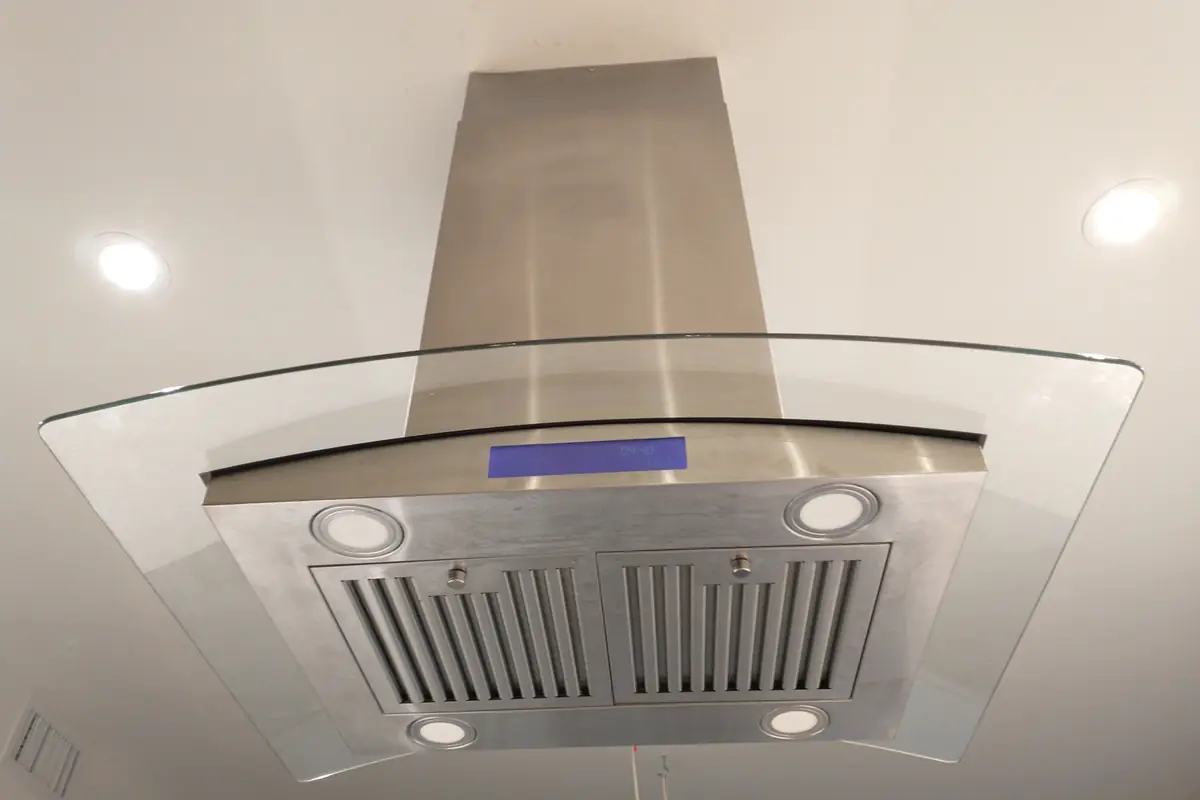
Look underneath: a metal mesh panel has a fine, layered screen, while a baffle filter has formed metal channels. These are different from the charcoal filters covered later. Match what you see to the manual before preparing a soak, especially if the hood has more than one type of filter.
Think of the job in three parts: the grease on the removable panel, the film on the hood and the cooking residue below. Smoke, lingering cooking odours and a fan that seems slow are reasons to look at the whole setup, not just polish its front edge. Note the odours and apparent fan performance before cleaning so you can compare afterwards.
Health Canada’s guidance on kitchen ventilation says vented kitchen range hoods remove moisture and pollutants at the source, while a kitchen fan that is not vented outside spreads odours and moisture around the kitchen. Check your model information to understand which arrangement you have.
A clean filter is a useful maintenance task, not a diagnosis for a slow fan. If the hood still seems sluggish afterwards, return to its troubleshooting instructions. Keep filter cleaning separate from investigating the motor, ducting or controls.
Degreasing a metal filter
For a washable metal mesh or baffle filter, gather dish detergent, hot water, a soft brush, a basin or sink large enough for the panel, and clean drying cloths. Read the filter-care instructions before starting. Use the manufacturer’s method wherever it specifies a particular detergent, washing method or drying arrangement.
Make room beside the sink for the panel to drain. Check that it fits in the basin before filling it: a wide filter may need washing in sections. Have the brush and detergent ready so you can complete the job without setting a greasy panel on a freshly cleaned counter.
- Remove the washable panel as the manual describes. Look at the release and fitting arrangement before moving it. Keep any removable fittings together, and note which side faces down.
- Prepare the soak. Add dish detergent to hot water, using the detergent’s directions for the amount. Swish it through the water before placing the filter in the basin.
- Let the grease soften. Immerse the washable metal portion according to its care instructions. Rather than choosing an arbitrary soak time, see whether the greasy film loosens with a light pass of the brush.
- Brush gently. Work across both faces, the perimeter and the corners. On a baffle panel, follow the channels; on mesh, use light strokes across the surface rather than digging into the layers.
- Rinse away the residue. Rinse off the detergent and lifted grease, including along the frame and around the release tab, where a first pass may have missed residue.
- Dry and refit. Follow the manual’s drying and installation instructions. Wipe the surrounding hood before returning the finished panel to its position.
If the water becomes greasy and the brush merely moves residue around, prepare a fresh detergent bath. Repeat the gentle wash rather than pressing harder into the mesh. Turn the panel to reach its edges as well as the broad centre.
The aim is a thoroughly washed panel, not a particular shade of metal: compare the cleaned surface with its original finish rather than scrubbing repeatedly at every variation in colour. Give the corners a final rinse if they still hold suds.
The hood, the light and the stovetop
Use the filter’s soaking stage to work through the hood’s washable surfaces, following the appliance’s care instructions. Divide the job into the outer canopy, underside, light cover and front edge. That small checklist helps you finish the less visible surfaces rather than stopping once the front looks polished.
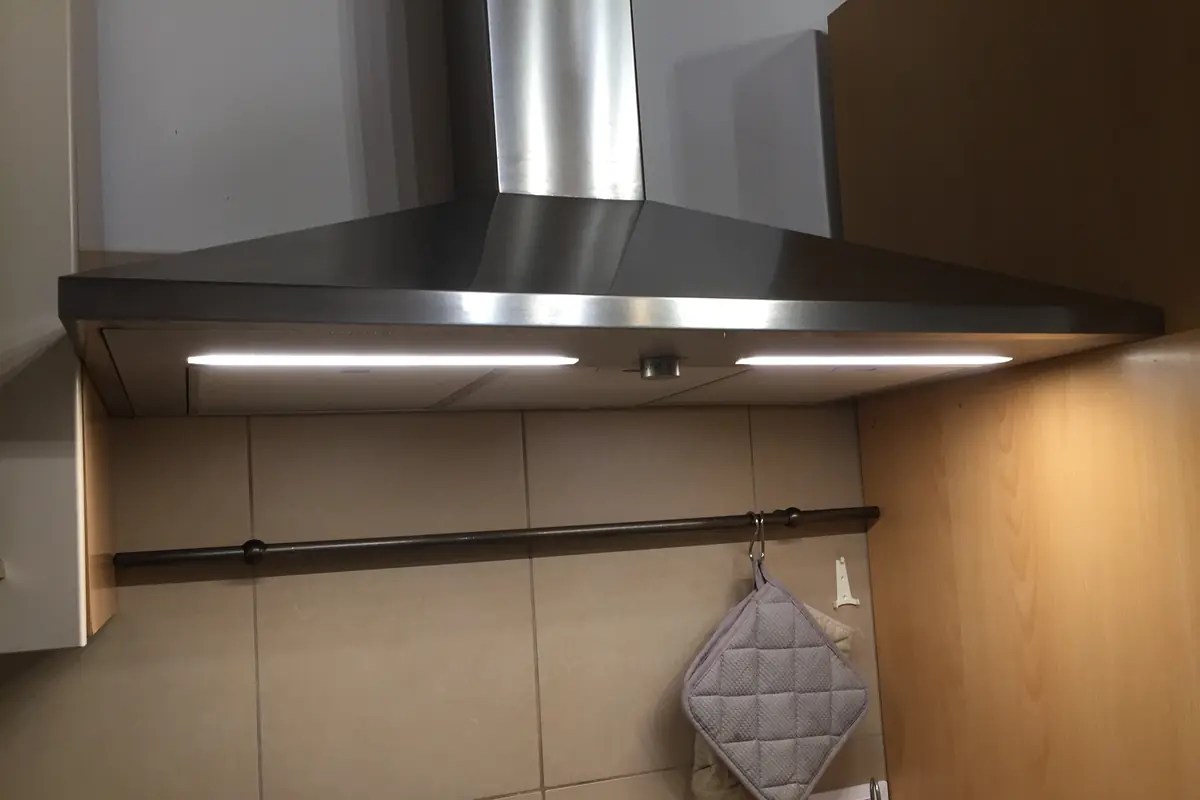
Start with a soft cloth and the cleaning method specified for the hood’s finish. Wipe one small section, then refold the cloth before moving on. If a pass leaves a greasy streak, change to a clean part of the cloth rather than spreading the same film over a wider area.
Work around the canopy’s edges and the rim surrounding the filter opening. Give the front lip a separate pass, then look underneath from a different angle. For a stainless finish, follow the manufacturer’s grain and finishing instructions. Keep polishing separate from grease removal: first lift the residue, then make the final wipe even.
Include the light’s accessible cover. Follow the manual for cleaning it and for any removal it permits. A film on the cover deserves its own wipe rather than a pass with the cloth already used on the greasiest part of the hood. Finish the cover with a fresh cloth.
Next, move down to the backsplash and stovetop. The City of Toronto’s kitchen cleaning advice says to keep the stove and oven clean because built-up grease and food particles ignite easily. Use the stovetop manufacturer’s cleaning method, including its instructions for removable parts and the surface beneath them.
Finish with the counter beside the stove and inspect the backsplash for streaks, particularly along the junction with the counter. Work from one end to the other so you can distinguish finished sections from those still awaiting a wipe. For the rest of the room, these everyday kitchen cleaning hacks complement the filter job with stainless steel care and a nightly routine. Keep the freshly washed filter aside until its specified drying step is complete.
How often, and charcoal filters
Base your filter routine on how much you cook and what the panel looks like between washes. A kitchen used for daily stovetop meals deserves more frequent checks than one used occasionally. Use the manual’s maintenance schedule as your starting point, then note when a fresh film becomes noticeable.
After the first thorough wash, record the date alongside the model number, the next charcoal-filter replacement date and any care instructions you need regularly. At your next kitchen clean, look at the filter frame, underside of the hood and front lip. If they are becoming sticky again, bring the next filter wash forward. If they remain clean, keep checking rather than washing automatically simply because you are cleaning the counters.
When your cooking routine changes, check whether the filter needs attention sooner. Build the reminder around your actual routine, not a single calendar interval presented as right for every kitchen. Keep the manual’s requirements in view throughout.
Charcoal filters follow a different route: replace them rather than putting them in the metal-filter soak, according to the manual. Check the specified replacement interval and part number. If your hood contains both washable metal filters and charcoal filters, give each its own reminder so washing one does not stand in for replacing the other.
Keep the replacement instructions with your maintenance notes, including where the charcoal filter sits in relation to the metal panel. Before starting a replacement, read that part of the manual through to the end. This lets you lay out the specified replacement part and understand the fitting sequence before taking anything apart.
Small condo kitchens
Open-plan kitchens make the hood part of the room’s visible surfaces. In Toronto’s Distillery District homes, open kitchens beneath timber beams can send cooking grease onto nearby ledges and the hood. Include an inspection of those neighbouring surfaces when planning your kitchen reset, rather than treating the removable panel as the whole job.
In Metro Vancouver, homes in Coal Harbour include tower suites with open-plan kitchens. Use the living-area viewpoint for your final finishing pass: look across the canopy’s front and sides rather than only upwards from the stove. This gives the exterior its own place in the sequence, after the underside has been degreased.
Make a short surface list before moving countertop items. Separate the hood and backsplash from nearby cabinet fronts and ledges, then choose which surfaces you will finish during this session. Put moved items together outside that working area so you can wipe a complete stretch of counter instead of working around individual containers.
If counter space is limited, organise the task around one washing area and one draining area. Move through the hood, backsplash and stovetop in order. Wash panels individually if that makes the work area easier to manage, rather than covering the counter with every removable piece at once.
When to bring in help
Bring in help when the sticky filter is part of a larger kitchen build-up, rather than an isolated panel that needs washing. Look at the hood, cooking surface, backsplash and cabinet fronts together when deciding how much attention the room needs.
Cleaning Hive’s home deep cleaning service includes a degreased stovetop, cleaned range hood and filters, scrubbed backsplash, and detailed cabinet fronts and hardware. To plan a visit, find your location in the areas we clean and list the kitchen surfaces needing attention. Call us at (647) 558-0932 any time, 24/7 to discuss the kitchen you want cleaned.
Frequently asked questions
What should I record when ordering a replacement hood filter?
Record the model number, filter part number and dimensions listed in the manual. Photograph the existing filter and its fittings as a reference, then compare the replacement listing with the manufacturer’s specified part rather than choosing by appearance alone.
How can I keep track of several similar filter panels?
Photograph their positions before removal. Put each panel back in the same order shown in your photograph, referring to the manual for its orientation and fittings. This gives you a useful reference for the next cleaning session too.
Should I clean the sink before soaking a hood filter?
Start with an empty, clean sink. Remove dishes and the dish rack, wipe away food residue, then prepare the filter soak. Afterwards, wash out the sink so the grease lifted from the filter is not left around the bowl.
How should I organise filter cleaning in a shared kitchen?
Choose one shared reminder and agree who will wash the metal panels and order replacement filters. Keep the detergent, brush and appliance instructions in an agreed place so the next person can follow the same method without searching through cupboards.
Topics