Is Deep Cleaning Worth It? When a Deep Clean Pays for Itself
On this page
It’s a fair question: a deep cleaning costs more than a standard visit. Sometimes that extra spend is the best money you’ll put into your home all year, and sometimes a regular clean is all you need. Here’s how to tell the difference, with enough detail that you can decide in five minutes.
What a deep clean actually includes
A deep clean goes where regular visits don’t: behind and under furniture, baseboards, door frames, light switches, grout lines, and vents, with oven, fridge and window add-ons selectable when you book. Think of it as a full reset of the home’s surfaces, not just the visible ones.
Most professional services structure a deep clean room by room:
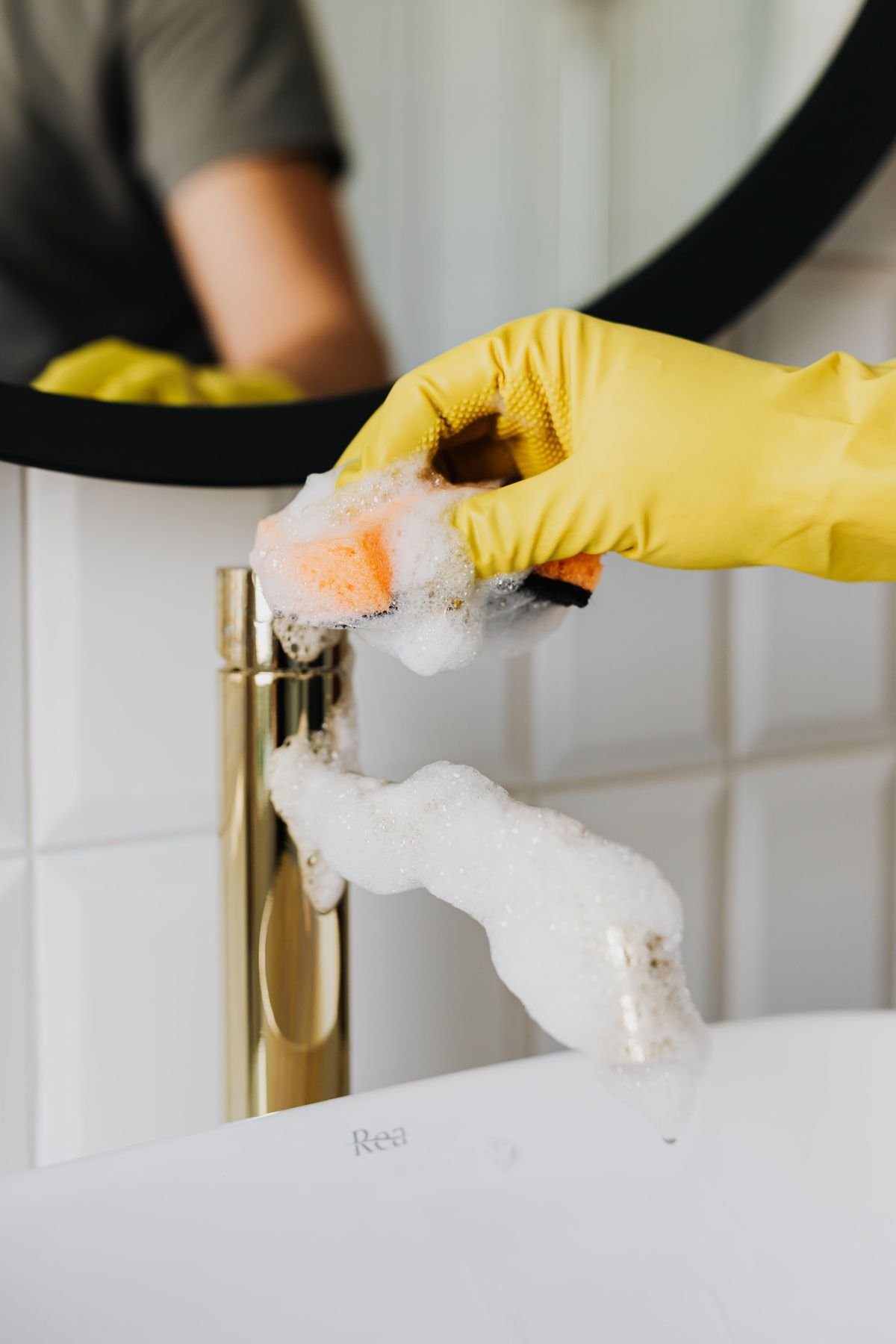
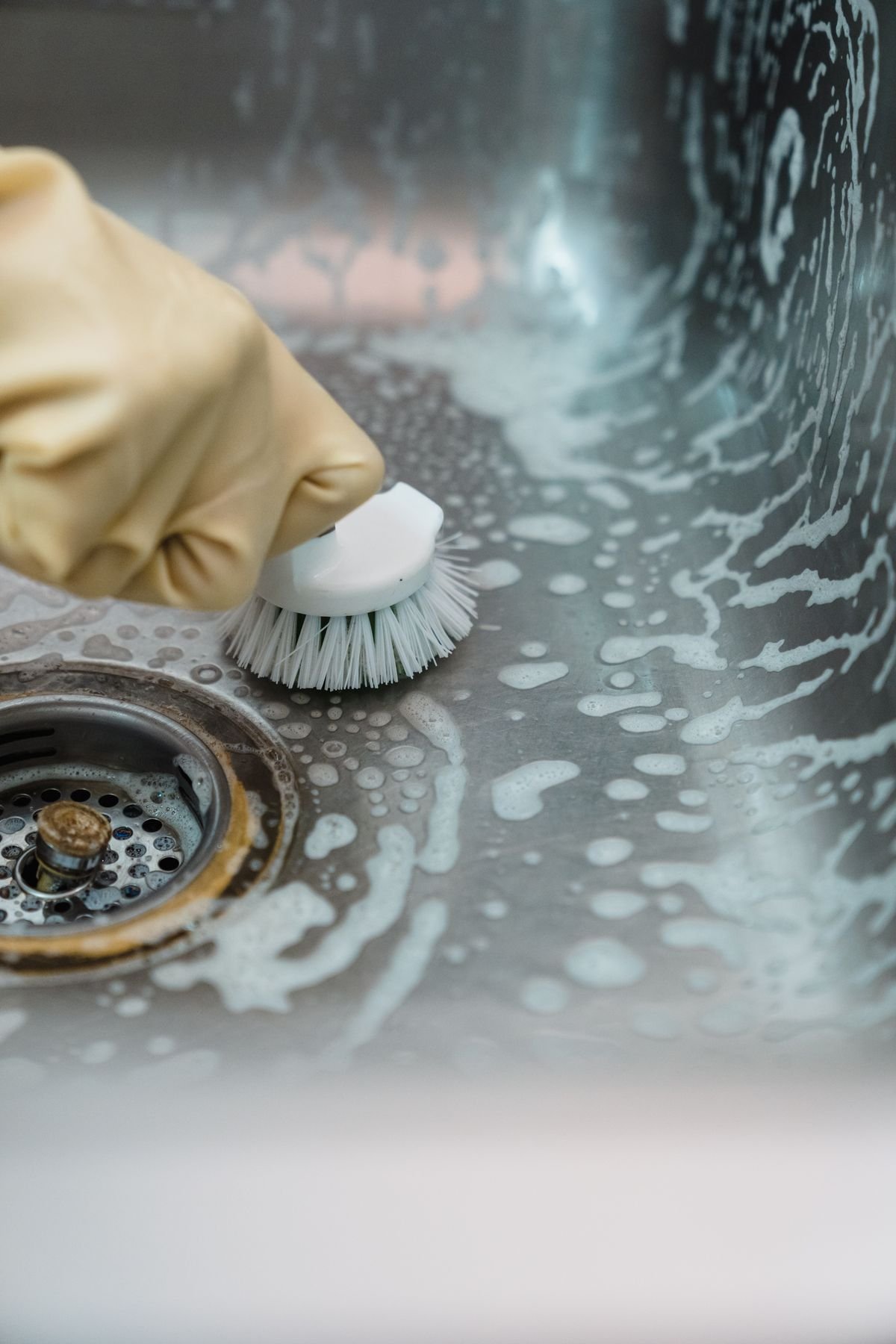
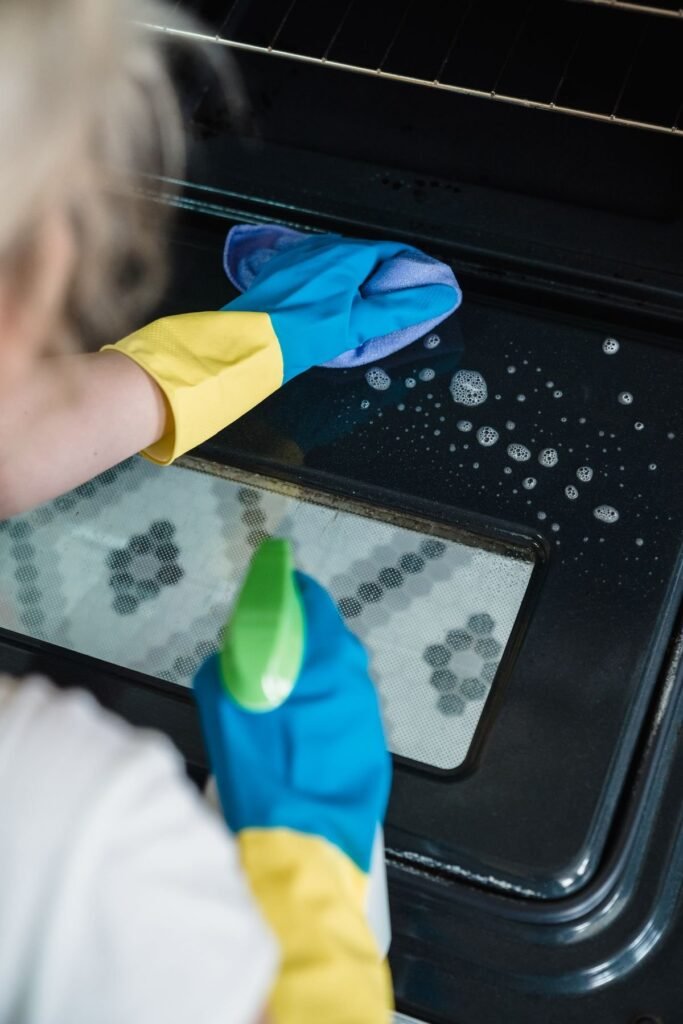
- Kitchen: degreasing the stovetop and range hood, cleaning inside the oven and microwave, wiping cabinet faces and hardware, scrubbing the sink, and cleaning behind small appliances.
- Bathrooms: descaling shower glass and tile, scrubbing grout, disinfecting high-touch points, and cleaning behind the toilet.
- Living and sleeping areas: dusting baseboards, light fixtures, window tracks and sills, wiping doors and frames, and vacuuming under furniture that rarely moves.
- Floors: edge-to-edge vacuuming and mopping, including corners and under beds.
The common thread: a deep clean targets the build-up that accumulates in places a maintenance clean never reaches. Dust that sits for months doesn’t just look bad: it can carry allergens and irritants. The EPA’s indoor air quality guidance explains why regular removal of dust and particulate matter matters for the air you breathe, and the World Health Organization notes that household dust and pollutants are a significant indoor exposure. A deep clean is the simplest way to bring those levels back to baseline.
When it’s worth it
- You’re moving in or out. Landlords expect move-out-level cleanliness, and new homeowners don’t want the previous owner’s grime. Deep cleaning is effectively mandatory before a move.
- You’ve just finished renovations. Construction dust gets into everything: ducts, cupboards, door tracks. A post-renovation clean removes the fine dust that a standard clean never touches.
- It’s been months since the last professional clean. Homes drift. A deep clean restores the baseline so regular maintenance pricing works from day one.
- Allergies or a new baby. Dust, pet dander, and residue build up in places vacuums skip, and a reset clears them.
- You’re listing your home. A deep-cleaned home photographs better and shows better. It’s one of the cheapest staging moves you can make.
When regular cleaning is enough
If your home is already professionally cleaned every week or two, a regular visit keeps it there. Deep cleans are for resets, not maintenance. Booking one annually (spring or fall) on top of regular visits is a popular middle path, and it’s the schedule we recommend for most Toronto households.
What it costs vs. what it saves
A deep clean costs more than a standard visit because it covers more: it’s your regular clean price plus the deep-cleaning add-on, and the booking form shows the estimated time for your home before you book. But it can also save you money downstream: finishes like grout, glass, stone, and stainless last longer when build-up doesn’t sit on them for years, and a restored baseline means every future clean takes less effort, which is why many clients follow a deep clean with a cheaper recurring plan.
Frequently asked questions
How is deep cleaning different from regular cleaning? Deep cleaning covers built-up areas regular visits skip: baseboards, grout, vents, window tracks and under furniture, with inside the oven and fridge as add-ons you can choose. It’s a reset, not maintenance.
How long does a deep clean take? It depends on your home’s size and condition. The booking form shows the estimated time for your home before you book, and for longer jobs, about 4 to 5 hours or more, a second cleaner joins so the work finishes sooner.
How often should I book a deep clean? Most clients book one annually, or when moving, renovating, or preparing for a special event or listing.
Do you bring supplies? Yes. Your cleaner brings professional products and equipment, so there’s nothing to buy or set out.
Topics