5 Essential Cleaning Supplies Every Home Needs
You do not need a cupboard full of single-purpose sprays to keep a home clean, most of the work gets done by five core supplies: an all-purpose cleaner, microfiber cloths, a good vacuum, scrub brushes and rubber gloves. With these on hand you can handle daily tidying, weekly cleaning and most deep-cleaning jobs without running to the store every time a new mess appears.
1. A Versatile All-Purpose Cleaner
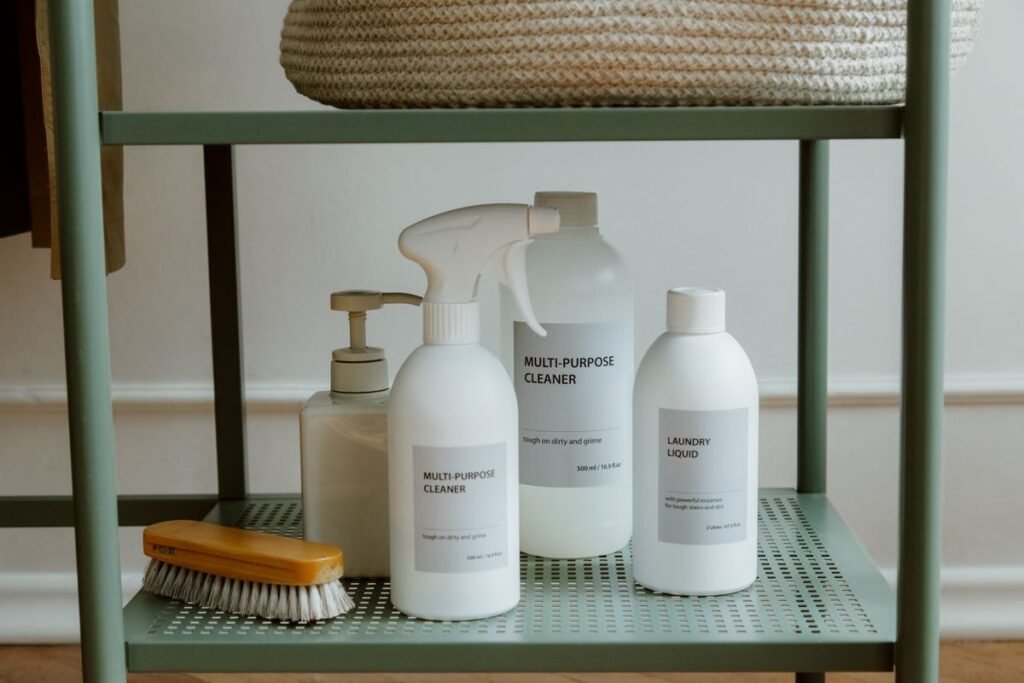
An all-purpose cleaner is the workhorse of the cleaning cupboard: counters, appliances, sinks, tubs, doors and floors. Look for one that is effective on grease and grime but gentle enough for everyday use. If you want to keep chemicals minimal, choose a product certified under a program like the EPA’s Safer Choice, which screens ingredients for human and environmental safety. Whichever you pick, follow the label, some surfaces (stone, wood, electronics) need their own products, and diluting or over-applying can do more harm than good.
One practical tip: keep a spray bottle of all-purpose cleaner in the kitchen and one in the bathroom, so the right tool is always within reach of the mess. Refillable spray bottles cost pennies and cut way down on packaging waste.
2. A Stack of Microfiber Cloths
Microfiber cloths are the closest thing cleaning has to a magic tool: their ultra-fine fibres trap dust and dirt instead of pushing it around, they work wet or dry, and they leave glass and mirrors streak-free. Keep at least a dozen and colour-code them, one colour for kitchen, one for bathroom, one for dusting, so you never wipe the toilet with the cloth that touches the counter.
Wash them separately from cotton towels (fabric softener ruins their grip) and replace them when they start to look worn. A small upfront investment in cloths replaces a mountain of paper towels and most chemical sprays.
3. A Vacuum That Fits Your Home
A vacuum is the fastest way to control the dust, pet hair and tracked-in grit that settle into floors and carpets. If allergies are a concern in your household, choose a model with a HEPA filter: it captures fine particles like pollen and dust-mite debris instead of blowing them back into the room. The EPA lists vacuuming and dusting among the practical steps for improving indoor air quality, especially in homes with pets or carpets. Whatever model you own, empty or change the bag and filters on schedule, a clogged vacuum cleans noticeably worse.
4. Scrub Brushes of Different Stiffnesses
Sprays and cloths loosen dirt; brushes actually remove it. Keep three in the house:
- A stiff-bristled brush for grout, tubs, outdoor mats and heavy grime
- A medium nylon brush for sinks, stovetops and tile
- A soft brush (or an old toothbrush) for faucets, shower tracks and tight crevices
Brushes reach the texture that cloths cannot, grout lines, drain rims, stove knobs, which is where kitchens and bathrooms start to look dirty even after a wipe-down.
5. Rubber Gloves That Fit
Gloves protect your hands from hot water, harsh chemicals and the germs you are cleaning up, and they let you use hotter water and stronger products safely. A durable pair with a grippy palm makes scrubbing easier and keeps cleaning from wrecking your skin. Keep two pairs, one for the kitchen, one for the bathroom, to avoid cross-contamination between food areas and the toilet. When you are done, rinse them before taking them off, and let them dry inside out.
What Each Supply Is Actually For
| Supply | Best for | Skip it for |
|---|---|---|
| All-purpose cleaner | Counters, sinks, tubs, doors, appliance exteriors | Wood, stone, electronics, oven interiors |
| Microfiber cloths | Dusting, glass, mirrors, final wipe-downs | Heavy grease and ground-in grime (use a brush) |
| Vacuum with HEPA | Carpets, rugs, upholstery, under furniture | Wet spills (use a mop or cloth) |
| Scrub brushes | Grout, tubs, stovetops, sinks, crevices | Delicate surfaces like glass and polished wood |
| Rubber gloves | Any task with chemicals, hot water or germs | Dry dusting (cloth works better bare-handed) |
Choose Products That Are Kinder to Your Air
It is worth reading labels on cleaning products, because some contain volatile organic compounds (VOCs) that evaporate into the air while you clean. The EPA notes that VOCs from household products, including cleaners, can affect indoor air quality and that ventilating while cleaning, opening a window or running a fan, reduces your exposure. Using fewer products (which the five essentials above let you do) and choosing fragrance-free or certified-green options makes a real difference, especially in homes with kids, pets or people with asthma.
Keep It Stocked, Keep It Simple
One caddy with these five essentials means every cleaning session starts in 30 seconds instead of 10 minutes of rummaging. If maintaining a full cleaning routine still feels like a chore you keep postponing, that is what a professional service is for: our regular home cleaning visits bring their own supplies and standards, our eco-friendly cleaning option uses gentler products for sensitive households, and a home deep cleaning handles the jobs your everyday supplies cannot. See the FAQ for what is included, or book a cleaning online.
Frequently Asked Questions
What is the minimum set of cleaning supplies for a new home? Start with an all-purpose cleaner, microfiber cloths, a vacuum, a scrub brush and rubber gloves. That covers counters, floors, bathrooms and everyday messes. Add a glass cleaner and a disinfectant later if you find you need them.
Are eco-friendly cleaning supplies as effective as regular ones? For everyday cleaning, yes, certified products like EPA Safer Choice options are formulated to meet the same performance standards. The bigger factor is technique: letting products sit, using the right tool and not skipping the final wipe.
How often should I replace microfiber cloths? With regular washing (no fabric softener), a good cloth lasts through dozens of washes. Replace them when the fabric feels slick, looks frayed or stops picking up dust, usually after 6 – 12 months of weekly use.
Do I need a separate disinfectant if I have an all-purpose cleaner? Not always. Many all-purpose cleaners disinfect, but only if the label says so and you follow the required contact time. If you need to sanitize after illness or for food-prep areas, use a product labelled as a disinfectant and follow the directions.