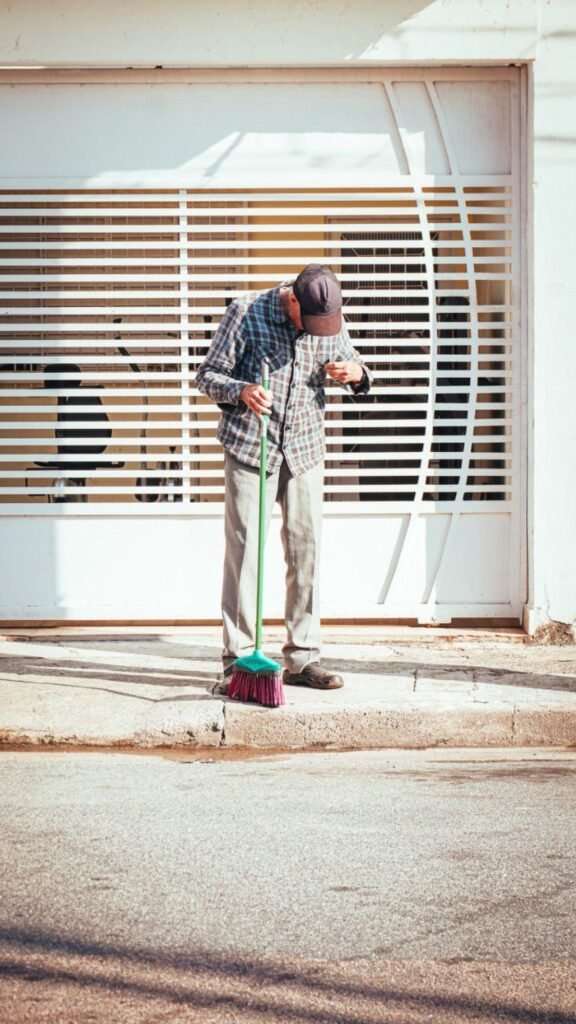
Cleaning Against Heatstroke: How to Stay Safe Cleaning in Hot Weather
Cleaning on a hot Toronto day can push your body past its limits, heat exhaustion and heatstroke happen when hard physical work meets high temperature and humidity, and they’re preventable with the right plan. Clean in the coolest hours, hydrate before you’re thirsty, take real breaks in air conditioning, wear light clothing, and know the warning signs. Here’s how to get the house clean without putting yourself at risk.
1. Time your cleaning for the coolest hours
Schedule heavy work, vacuuming, mopping, moving furniture, for early morning or evening, when temperatures are lower. In the midday heat, stick to light tasks: dusting, folding laundry, cleaning counters. The World Health Organization notes that heatwaves put strain on the body especially when combined with physical activity, so shifting the work to cooler hours is your first and cheapest protection.
2. Hydrate before you feel thirsty
Thirst is a late signal. Drink water steadily before and during cleaning, a bottle within reach, a few sips every 15 minutes, and avoid caffeine-heavy drinks that dehydrate. If you’re sweating heavily for more than an hour, a sports drink or salty snack helps replace lost electrolytes. Severe dehydration can tip into heat-related illness, so treat fluids as part of the job, not an optional extra.
3. Use fans, air conditioning, and airflow
Run air conditioning where you’re working, or open windows on opposite sides of the home to create cross-ventilation, and use fans to move air across your body, moving air helps sweat evaporate, which is how your body cools itself. In a heat warning, the City of Toronto recommends cooling off in air-conditioned places; at home, that means keeping at least one room cool and taking your breaks there. Curtains and blinds closed on the sunny side of the house keep rooms cooler while you work.
4. Dress for the heat
Light-coloured, loose, breathable clothing lets air circulate and sweat evaporate; dark, tight, or synthetic layers trap heat. A wide-brimmed hat helps if you’re cleaning balconies, windows, or garages in direct sun. Work gloves and knee pads aren’t just comfort items in hot weather, they prevent the kind of extra physical strain that makes you overheat faster.
5. Take breaks, and know the warning signs
Work in 20-to-30-minute blocks with breaks in the coolest room. Stop immediately if you feel dizzy, nauseated, weak, or unusually tired, these are early signs of heat exhaustion. The Canadian Centre for Occupational Health and Safety lists the symptoms of heat stress and how to respond: move to a cool place, loosen clothing, sip water, and seek medical help if symptoms worsen or if someone shows signs of heatstroke, confusion, hot dry skin, or loss of consciousness, which is a medical emergency.
Heat-safety checklist for cleaning days
- Check the forecast and heat warnings before you start.
- Clean in the morning or evening; rest during peak heat.
- Keep a full water bottle with you and sip every 15 minutes.
- Use AC or cross-ventilation in the room you’re working in.
- Wear light, loose clothing and take breaks every 20 – 30 minutes.
- Know the signs of heat exhaustion and stop at the first one.
Recognize the signs early
| Sign | What it means | What to do |
|---|---|---|
| Heavy sweating, weakness, dizziness, nausea | Heat exhaustion, your body is struggling to cool down | Stop working, move to a cool place, loosen clothing, sip water |
| Muscle cramps, especially in legs or arms | Heat cramps, fluids and salt are running low | Rest in the shade, drink fluids with electrolytes, gently stretch |
| Confusion, hot dry skin, very high body temperature, fainting | Heatstroke, a medical emergency | Call for emergency help immediately and cool the person however you can |
Frequently Asked Questions
What’s the difference between heat exhaustion and heatstroke? Heat exhaustion, heavy sweating, weakness, dizziness, nausea, is the warning stage and is reversible with rest, fluids, and cooling; heatstroke, marked by confusion, hot dry skin, and a very high body temperature, is a life-threatening emergency that needs immediate medical help.
How hot is too hot to clean? During heat warnings, avoid strenuous cleaning in the hottest part of the day and work in shorter bursts; if your home or workspace is over about 30°C with high humidity, break up tasks and lean on cooling measures.
What should I do if I feel dizzy while cleaning in the heat? Stop immediately, sit down in the coolest available place, loosen clothing, and drink water; if dizziness, confusion, or vomiting continues or worsens, seek medical help right away.
Should I clean during a heat wave at all? Yes, but adapt: shift heavy tasks to cool hours, use fans and AC, hydrate constantly, and consider booking professional cleaning for the big jobs, Cleaning Hive’s crew handles the heavy work while you stay cool, whether it’s regular home cleaning, deep cleaning, or a one-time clean.
Do fans actually help in extreme heat? Fans move air and help sweat evaporate, which cools you, but above certain temperatures they mainly circulate hot air, so pair fans with air conditioning or cross-ventilation, and take breaks in the coolest room.