5 Expert Tips for Vacuuming Like a Pro
Vacuuming like a pro is about technique and maintenance, not expensive equipment: use the right vacuum and attachment for each surface, make slow overlapping passes, empty the bin before it’s full, and vacuum on a schedule that matches your home’s traffic. Done this way, vacuuming becomes the single most effective thing you do for both clean floors and indoor air quality, because most of the dust in your air settles on floors first.
1. Match the vacuum to your home
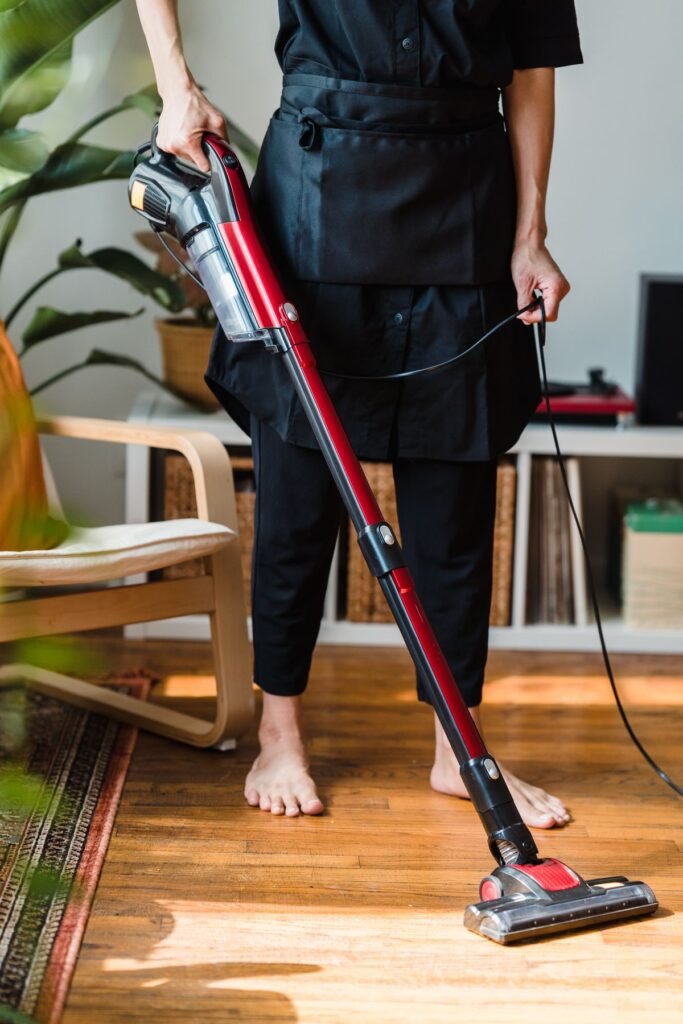
If your home is mostly carpet, an upright with strong suction and a motorized brush is hard to beat; for mixed floors, hardwood, tile, area rugs, a canister or a good cordless stick with a hard-floor setting is more versatile. Homes with allergy sufferers should look for sealed HEPA filtration, which traps fine particles instead of blowing them back out. Whichever you choose, keep the attachments: a crevice tool for edges and baseboards, a brush for upholstery and lampshades, and a soft brush for hard floors.
2. Use the right technique
Slow and overlapping beats fast and patchy. Move the head at a deliberate pace and let each pass overlap the last by a few centimetres so no strip is missed. On carpets, make a second pass at a right angle in high-traffic areas, it lifts dirt from different angles of the pile. On hard floors, use the hard-floor setting and pick up loose debris before damp-mopping. Vacuum under furniture and along baseboards with the crevice tool at least weekly; that’s where dust and allergens like dust mites accumulate most.
3. Maintain your vacuum, it’s half the job
An empty or clogged machine loses suction fast. Empty the bin or change the bag when it’s a third to half full, full bins mean reduced airflow and dust blowback. Clean the brush roll monthly (hair and string wrap around it), check the filters and wash or replace them per the manual, and inspect the hose for blockages. A well-maintained vacuum picks up more in one pass than a neglected one does in three.
4. Vacuum the places people forget
- Mattresses, vacuum the surface and seams monthly to cut dust-mite populations.
- Upholstery and curtains, use the brush attachment on sofas and drapes.
- Under beds and large furniture, the dustiest square metres in most homes.
- Car interiors and entry mats, they track outdoor allergens indoors.
- Stairs, hand-vacuum each tread; most people skip them entirely.
- Pet bedding and crates, dander and hair build up fast where animals sleep.
- Baseboards, vents, and corners, use the crevice tool; dust collects where the eye doesn’t go.
5. Create a vacuuming schedule that sticks
Frequency beats intensity: vacuum high-traffic zones and pet households two to three times a week, the rest weekly, and bedrooms and less-used rooms biweekly. Tying vacuuming to an existing habit, Saturday morning, or while coffee brews, makes it automatic. For allergy and asthma households, more frequent vacuuming with HEPA filtration is one of the most practical ways to manage indoor air triggers, alongside dusting and washing bedding in hot water.
Quick vacuum troubleshooting
| Problem | Likely cause | Fix |
|---|---|---|
| Weak suction | Full bin or clogged filter | Empty, wash filters, check hose |
| Brush roll not spinning | Hair or string wrapped around it | Cut away debris monthly |
| Dust smell while vacuuming | Dirty filter or full bag | Replace filter; use HEPA bags if supported |
| Scratches on hard floors | Beater bar left on | Switch to hard-floor mode or soft brush |
| Streaky carpets after cleaning | Vacuuming too fast | Slow down and overlap passes |
One more pro habit: vacuum more aggressively after events that generate dust, renovations, construction nearby, or wildfire-smoke days. Extra passes with a HEPA-filtered vacuum in the first few days after those events keep fine particles from settling into carpets and upholstery, where they become a long-term source of indoor dust. And if your allergies flare every spring, bump up bedroom vacuuming to three times a week for the season rather than waiting for symptoms.
Even pros don’t vacuum everything, that’s why professional cleaning covers the corners you never reach. Cleaning Hive’s regular home cleaning includes thorough floor care, and deep cleaning handles baseboards, vents, and furniture that daily vacuuming misses. Explore more routines on the Cleaning Hive blog or book a clean online.
Frequently Asked Questions
How often should I vacuum my house? High-traffic areas and pet households: two to three times a week; other rooms: weekly; guest rooms and storage: biweekly, and vacuum mattresses monthly to reduce dust mites.
Is a HEPA filter worth it? For allergy and asthma households, yes, HEPA filtration traps fine particles like dust mites, pet dander, and pollen instead of recirculating them into the air you breathe.
Why does my house smell dusty after vacuuming? Usually a full bin, dirty filter, or unsealed exhaust, empty the bin, clean or replace filters regularly, and look for a vacuum with sealed filtration if the problem persists.
Should I vacuum or sweep hard floors first? Vacuum first to lift loose dust, then damp-mop, sweeping often just pushes fine dust around; with a hard-floor attachment, vacuuming is faster and captures more.