8 Housekeeping Hacks for Maintaining a Spotless Home
A spotless home is not built on heroic cleaning marathons, it is built on small, repeatable systems that stop mess from accumulating in the first place. These eight housekeeping hacks cost minutes a day, not hours a weekend, and together they keep a Toronto home consistently presentable with far less effort. Adopt the ones that fit your routine; even two or three will change how often you feel the need to “really clean.”
The hacks that actually work
- Enforce a no-shoes policy. Shoes track in dirt, road grit, pollen and whatever else is on Toronto sidewalks. A shoe rack and mat at the entrance cuts floor grime dramatically, and less grit means less wear on floors and carpets. It is the highest-leverage habit in this list.
- Run a 10-minute daily reset. Every evening, spend ten minutes returning items to their homes: mail sorted, coats hung, counters cleared, dishes loaded. Clutter never accumulates when it is reset daily, and a tidy room takes half the time to clean.
- Clean top to bottom, left to right. Dust ceilings, fans and shelves before wiping mid-level surfaces, and save vacuuming and mopping for last. Working in one direction means you never re-dirty what you just cleaned.
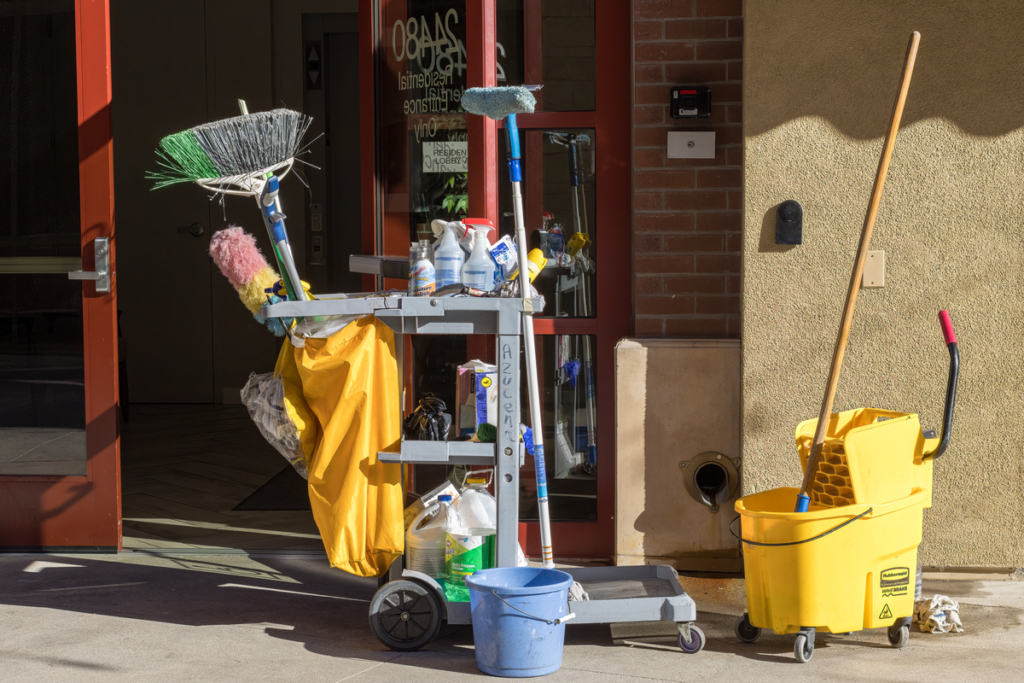
- Keep a caddy of supplies per floor. A bucket with all-purpose cleaner, glass spray, cloths and a duster on each floor removes the “walk back to the closet” friction that kills cleaning momentum.
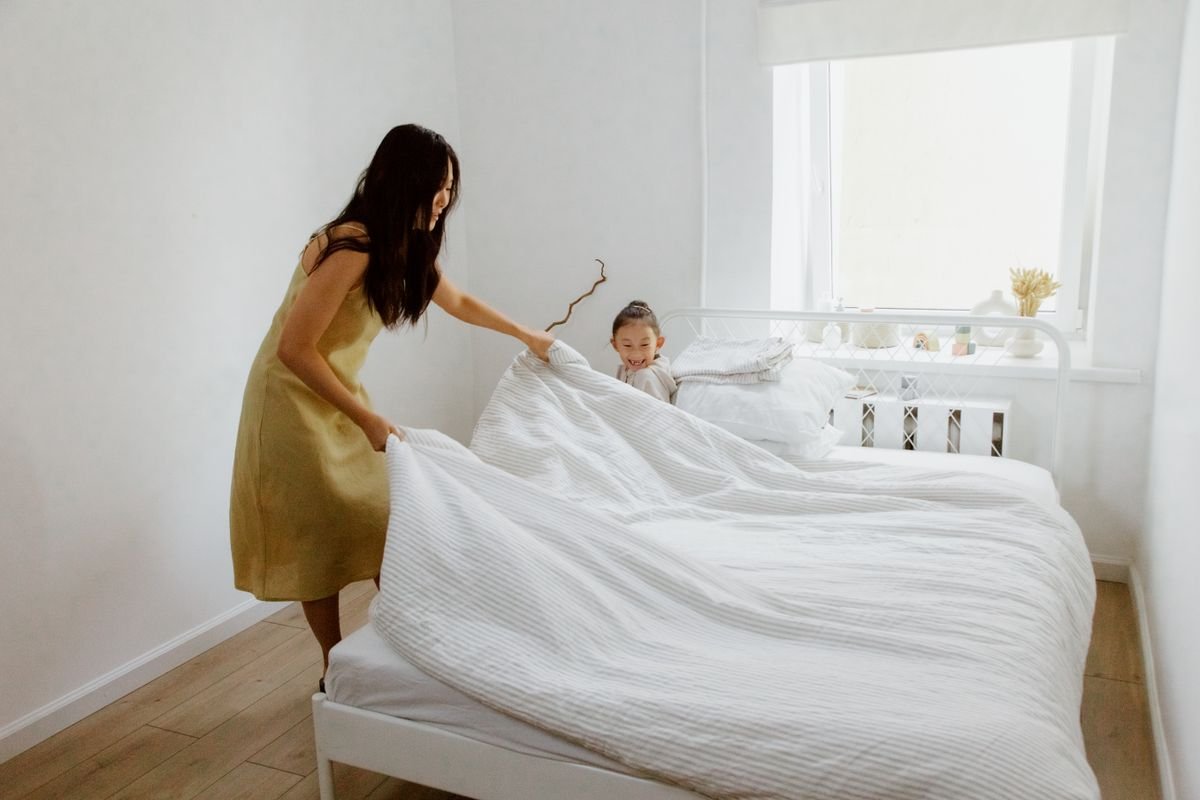
- Make the bed every morning. It takes ninety seconds, anchors the room visually, and keeps dust and dander off the bedding during the day. A made bed also makes the whole room look finished.
- Wipe sinks and counters after every use. Thirty seconds of wiping prevents soap scum, toothpaste splatter and food residue from hardening into weekend scrubbing. Bathrooms stay fresh, and kitchen counters never become a science experiment.
- Wash your cleaning tools. Sponges, cloths and mop heads that stay damp between uses breed bacteria and spread it on the next clean. Launder cloths hot, microwave damp sponges, and let mop heads dry fully.
- Schedule a weekly 30-minute power hour. One focused block for the tasks that pile up, floors, mirrors, the shower, the fridge door, keeps everything else on cruise control and prevents the monthly “everything at once” spiral.
What each hack buys you
| Hack | Time cost | Payoff |
|---|---|---|
| No-shoes policy | Seconds per entry | Less dirt, less floor wear, fewer deep cleans |
| 10-minute daily reset | 10 minutes/day | No clutter build-up, faster weekly clean |
| Top-to-bottom order | Zero extra | No double-cleaning, better results |
| Per-floor caddy | 5 minutes to set up | Spontaneous cleaning actually happens |
| Make the bed | 90 seconds/day | Instant visual order, less dust on bedding |
| Wipe as you go | 30 seconds/use | No hardened grime, fresh bathrooms |
| Clean tools | Minutes per week | Actual dirt removal instead of redistribution |
| Weekly power hour | 30 minutes/week | Floors and mirrors stay done |
Why these habits are also healthier
Most of these hacks reduce dust and moisture in the home, which is exactly what indoor air quality depends on. Shoes bring in outdoor allergens; damp sponges and cloths breed microbes; clutter collects dust. The EPA’s indoor air quality resources emphasize how dust control and moisture management shape the air you breathe, and Asthma Canada’s trigger list, dust mites, dander, mould, reads like a list of what these habits prevent. In moisture-prone rooms like bathrooms, keeping surfaces dry and cleaning regularly is also the first line of defence against mould, as the EPA’s mould guidance explains.
When habits are not enough
Systems keep a home maintained, but some tasks, oven interiors, vents, baseboards, grout, still need a deeper reset than daily habits can deliver. That is where professional support fits. A regular home cleaning service handles the weekly grind so your habits only need to maintain between visits, and a seasonal deep clean resets the parts habits cannot reach. Many Toronto households pair a maid service visit with their own daily reset, book online to set it up, and our FAQ has more tips on maintaining a spotless home between visits.
Housekeeping FAQs
How do I keep a home clean when I have no time during the week? Focus on the two highest-leverage habits: a no-shoes policy and a 10-minute evening reset. Both prevent build-up, so the weekend clean shrinks from hours to under an hour, and a bi-weekly professional visit can cover the rest.
What is the fastest way to clean a room? Work top to bottom in one direction with a loaded caddy: dust high surfaces, wipe mid-level surfaces, then vacuum and mop last. Never leave the room to fetch supplies, and never clean the same surface twice.
How often should housekeeping tools be replaced? Sponges weekly, microfiber cloths when they stop absorbing or start smelling (usually a few months with hot laundering), vacuum filters per the manufacturer’s schedule, and mop heads every few months. Dirty tools undo clean work.
Can housekeeping habits really prevent mould? Largely, yes. Mould needs moisture and a food source. Daily wiping of wet surfaces, drying shower walls, and fixing leaks promptly remove the moisture side of the equation, the core advice in the EPA’s mould guidance.