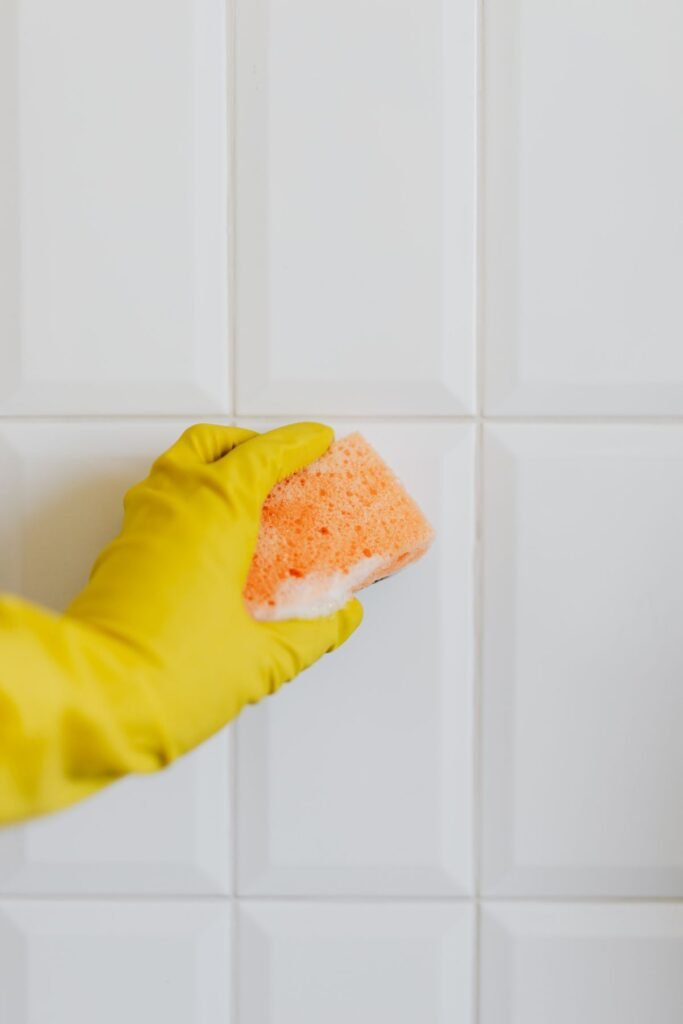
6 Home Cleaning Mistakes to Avoid for a Healthier Environment
Most people clean with good intentions and mediocre results, and some habits actively make homes dirtier or less healthy. Using too much chemical product, wiping every surface with one cloth, or scrubbing in the wrong order can spread bacteria, leave residues in the air and wear out surfaces faster. Fixing these six common cleaning mistakes will make your routine more effective, your indoor air cleaner and your home genuinely healthier between professional visits.
1. Overusing chemical cleaners
More product is not more clean. Excess cleaner leaves residue that attracts dust, irritates skin and contributes to the chemical load in your home’s air. The Canadian Centre for Occupational Health and Safety’s chemical safety resources explain why proper dilution and handling matter, a principle that applies at the kitchen sink as much as in a workplace. Wherever possible, choose products with recognized certifications such as the EPA Safer Choice label, follow the dilution instructions on the label, and rinse surfaces where residue is a concern.
2. Using the same cloth everywhere
One rag for the bathroom sink, the kitchen counter and the coffee table is a bacteria delivery service. Cross-contamination is one of the fastest ways to undo a clean, a cloth that wiped a toilet can transfer germs to food-prep surfaces minutes later. Use colour-coded cloths (one per room or task), change them between zones, and launder them hot after every cleaning session.
3. Cleaning in the wrong order
Clean top to bottom and dry to wet. If you vacuum and mop before dusting shelves and ceiling fans, you simply re-dust the floors you just finished. The efficient sequence is: declutter, dust high surfaces, wipe mid-level surfaces, then vacuum and mop last. In bathrooms and kitchens, tackle the dirtiest task (toilet or oven) after the rest so your cloths and hands stay cleaner for the lighter work.
4. Ignoring the hidden zones
Baseboards, vents, window tracks, behind appliances and under furniture accumulate the dust that actually drives allergy symptoms, and they are exactly what weekly cleaning skips. Vents in particular recirculate whatever settles in them every time the furnace or AC runs. The EPA’s indoor air quality guidance is a useful reference for why settled dust and moisture matter, and a seasonal deep clean is the practical fix for the zones a weekly routine never reaches.
5. Wiping disinfectant away instantly
Disinfectants need dwell time, usually several minutes, to actually kill germs. Wiping a surface dry the moment the spray goes on removes the product before it has worked. Read the label’s contact time, apply to a clean surface, and let it sit before wiping or simply air-dry. This one habit makes the biggest difference in kitchens and bathrooms.
6. Cleaning with dirty tools
A grimy sponge, a mop that has not been rinsed properly or a vacuum with a full filter redistributes dirt instead of removing it. Sponges should be replaced or sanitized weekly, mop heads and cloths laundered after each use, and vacuum filters cleaned or changed on schedule. Clean tools are the difference between moving dirt around and actually removing it.
Mistake versus healthier habit
| Mistake | Healthier habit |
|---|---|
| Overusing chemical products | Dilute per label, prefer certified low-residue products |
| One cloth for every surface | Colour-coded cloths per room, laundered hot |
| Cleaning bottom-up | Dust high, wipe mid, vacuum and mop last |
| Skipping vents and baseboards | Add them to a seasonal deep clean |
| Wiping disinfectant away instantly | Respect label dwell times |
| Using dirty tools | Sanitize sponges, launder cloths, maintain filters |
Even with perfect habits, some jobs are better delegated. A regular home cleaning service keeps the weekly routine consistent, while a seasonal deep clean resets the zones this list covers. If you want to cut chemical use at home, Cleaning Hive’s eco-friendly cleaning uses certified non-toxic products. Book online for Toronto and GTA homes, and check our FAQ for guidance on routines and products.
Cleaning mistakes FAQs
Is vinegar or baking soda safe to use on all surfaces? No. Vinegar’s acidity can etch natural stone and damage some sealants, and baking soda is abrasive enough to scratch delicate finishes. Test on an inconspicuous spot first and stick to pH-neutral products for stone, glass and coated surfaces.
How often should I replace my cleaning sponges? At least weekly, and immediately after cleaning up raw meat juices or heavy mould. Sanitize between uses by microwaving a damp sponge for one minute or running it through the dishwasher.
Does cleaning really improve indoor air quality? Yes. Removing settled dust, dander and mould spores from surfaces and vents reduces what gets recirculated into the air you breathe, which is why the EPA lists cleaning and dust control among the practical steps for better indoor air.
Should I disinfect every surface every time I clean? No. Daily cleaning with soap or a mild cleaner is sufficient for most surfaces; disinfectants are best reserved for high-touch points and bathrooms, where dwell time is applied correctly and the product actually does its job.